

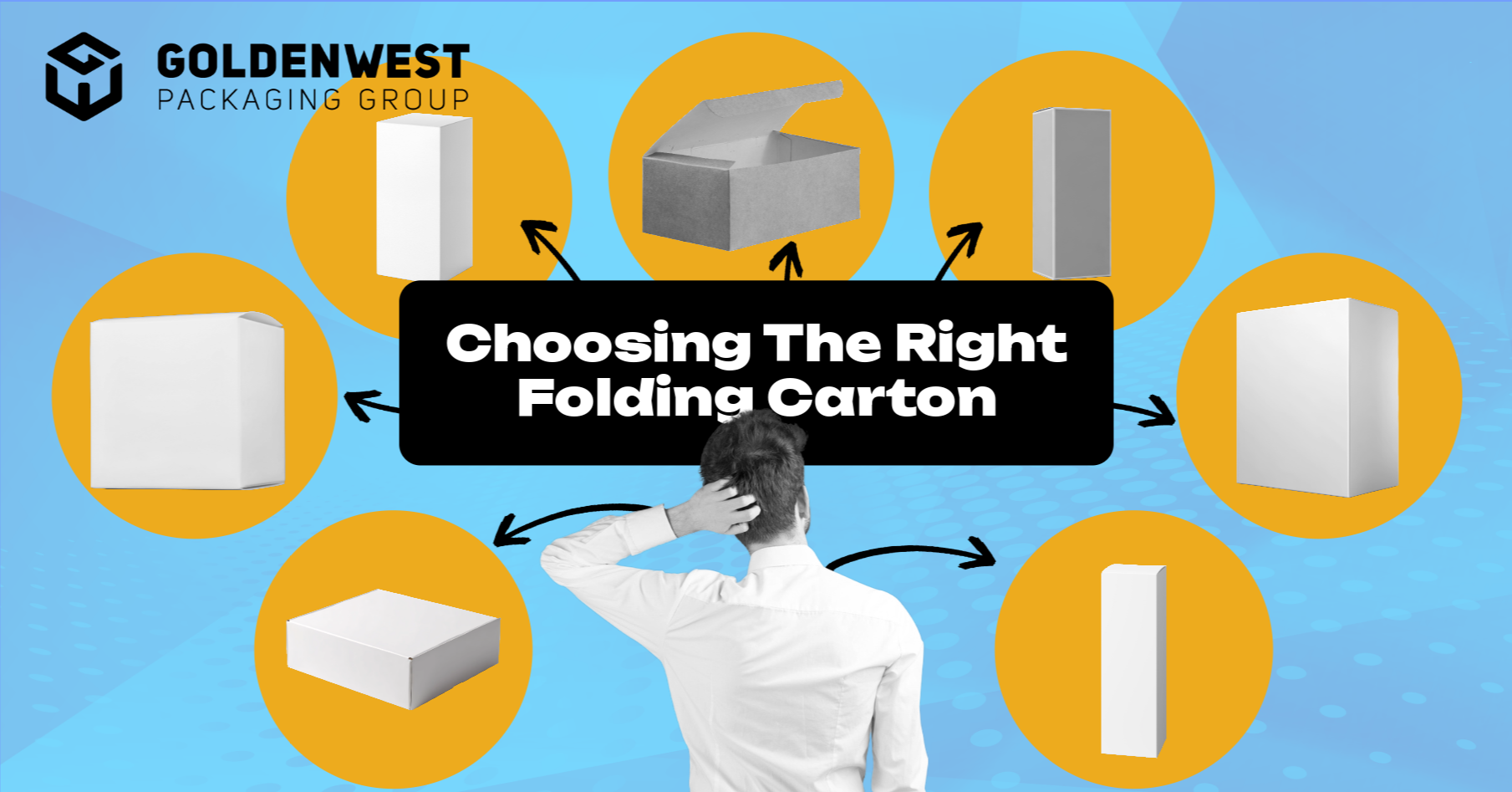
Most shoppers never think about packaging until something about it catches their attention. A well-designed folding carton creates that moment by making the product look intentional before a customer reads a single word on the package. For brands evaluating popular folding carton styles and when to use them, the real challenge is choosing a structure that supports the product’s goals instead of simply enclosing it. When the carton and product work together, the packaging becomes part of the experience.
What To Consider Before Choosing a Folding Carton Style
Many packaging decisions focus on graphics first, yet structure often has a greater impact on real-world performance. Before selecting a carton style, consider:
- Product weight, shape, and fragility
- Packing and fulfillment requirements
- Retail display and merchandising goals
- Customer experience and ease of opening
- Production efficiency and assembly needs
Brands evaluating custom folding boxes should look beyond appearance and focus on how the carton performs throughout its lifecycle.
Straight Tuck End (STE): The Versatile Retail Standard

Straight tuck end cartons use tuck flaps on the same side, creating a clean presentation across the front and back panels. STE cartons are a strong choice when a brand wants elevated shelf appeal without an overly complex structure. Beauty, wellness, and lightweight consumer products suit this format because the carton opens neatly and supports a refined unboxing moment.
The biggest advantage is visual continuity. Since both closures tuck in the same direction, the main display panel stays uninterrupted. That makes STE cartons useful when brand graphics carry much of the selling power.
Reverse Tuck End (RTE): Cost-Efficient and Fulfillment-Friendly
Reverse tuck end cartons place the top and bottom tuck flaps on opposite sides. The structure is efficient to produce and works well for products that need dependable packaging without a premium opening experience. Many everyday retail goods use RTE cartons because they balance function with controlled production costs.
Fulfillment teams appreciate the straightforward setup. The opposing flaps ensure the carton collapses flat and assembles predictably during packing. For brands focused on unit economics, RTE cartons deserve consideration before moving to more specialized designs.
Auto-Bottom/Crash-Lock Bottom: When Speed and Strength Are Priorities
Auto-bottom cartons are built for quick assembly because the base locks into place as the carton opens. That feature reduces manual folding during packing, which in turn keeps production lines moving. The structure works well for products that weigh more than a basic tuck carton could carry.
Strength at the base is the main reason to choose this style. Candles, jars, and heavier retail items need a carton that resists bottom failure during handling. When labor speed and product support both influence the packaging decision, a crash-lock bottom provides greater structural confidence.
Seal-End Cartons: Ideal for High-Volume Food and CPG Packaging
Production environments where consistency and speed guide the packaging process need seal-end cartons. The ends are typically glued shut for a secure closure that supports automated filling and sealing. Food and consumer packaged goods brands use this format when tamper resistance and line efficiency need to work together.
A seal-end format is less about dramatic unboxing and more about dependable performance. Once filled and closed, the carton holds its shape well through distribution. That makes it practical for products moving through fast retail channels where packaging must stay consistent across large runs.
Sleeve Cartons: Minimalist and Premium
Sleeve cartons wrap around a product or inner carton to build a clean, branded surface. The format works well when the primary container already provides protection, and the folding carton adds presentation. Premium foods or gift sets utilize sleeves to create a polished look while reducing the amount of enclosed material.
The appeal comes from restraint. A sleeve gives brands room for identity without hiding the product experience underneath. It works best when the inner pack is attractive enough to remain part of the presentation.
Gable-Top Cartons: Functional Handles and Gift-Ready Presentation
Gable-top cartons combine a built-in handle with a distinctive folded shape. The structure invites instant gift appeal, which makes it useful for promotional kits and seasonal retail items. Because the handle is part of the carton, the package gains convenience without needing a separate bag.
The shape sends a clear visual cue. It suggests portability and occasion-based buying before the shopper reads the copy. For products meant to be carried or given, that presentation value is part of the structure’s purpose.
Windowed Cartons: When Product Visibility Drives Sales
Windowed cartons give shoppers a controlled view of the product inside. If a business leans on color or texture to tempt shoppers’ buying decisions, visibility is a helpful tool. A well-placed window builds trust because the customer sees what is being purchased before opening the package.
The window should serve a specific selling purpose. If it exposes a weak angle or interrupts key branding, it works against the design. Strong windowed packaging balances curiosity with protection, letting the product earn attention without making the carton fragile.
Custom Structural Designs: When Standard Styles Aren’t Enough
Some products do not fit neatly into a standard carton style. Unusual shapes, retail display requirements, and delicate components call for a structure engineered around the product instead of selected from a preset format. Custom structural design is the right path when the package must solve several handling challenges at once.
A packaging partner’s technical experience becomes important here. Golden West Packaging Group supports brands with structural design, testing, and integrated manufacturing expertise, which helps align the carton with real production needs. A thoughtful custom structure reduces guesswork before the package reaches the line.
How To Match the Right Carton Style to Your Product

Start by looking at how the product moves from production to the customer. If it passes through automated packing equipment, the carton structure should support that workflow. Products that spend significant time in transit may need a design that holds its shape through handling. Retail-focused items often place greater emphasis on presentation.
It helps to consider who will open the package and what that experience should communicate. A premium product may benefit from a more deliberate reveal, and an everyday consumer item works best with a straightforward opening experience. Budget goals, merchandising requirements, and future product line expansions should factor into the decision so the carton supports both current needs and long-term growth.
A folding carton should make the next step easier for everyone who handles it, from the packing team to the customer opening it at home. When brands understand popular folding carton styles and when to use them, packaging decisions become more intentional and less reactive. The right structure gives the product a stronger path through production and the final customer experience.