

A product can look ready for the shelf and still fall short if the packaging format works against it. Understanding the differences between thermoformed and blister packaging helps brands see how packaging structure affects how a product is displayed, protected, and opened. When the package supports the product naturally, the results are more intentional and easier for customers to trust.
What Is Thermoformed Packaging?
Thermoformed packaging is created by heating a plastic sheet until it becomes pliable, then forming it into a mold. Once cooled, the material holds the shape of that mold, creating a custom cavity that fits the product.
In many applications, thermoformed packaging can be made from clear or colored plastic, depending on the desired appearance. The final package may hold one item or organize several components. Because the process forms plastic into a defined shape, the finished piece feels structured and dimensional.
Thermoformed packaging is commonly used for items like medical device kits, cosmetic compacts, electronic accessories, bakery trays, produce containers, and specialty food inserts.
What Is Blister Packaging?

Blister packaging uses a preformed plastic cavity, commonly called a blister, attached to a backing material. The product sits inside the plastic pocket, while the backing closes the package and provides space for product details or required labeling.
The blister portion is usually clear, allowing the product to remain visible through the front of the package. Depending on the format, the cavity may be shallow and closely fitted or deeper with more room around the product.
Blister packaging is commonly used for batteries, small hardware, pharmaceuticals, health products, personal care items, and compact retail accessories.
The Core Construction Differences That Set the Two Packaging Options Apart
The biggest structural difference lies in how each format functions as a complete package. Thermoformed formats can be used as trays, lids, clamshells, or inserts. They may stand alone or nest within another package. With blister packaging’s structure, it can feel more like a front-and-back retail unit.
Thermoformed designs create depth across the full package. Blister packs concentrate the formed plastic around the product area.
Material and Backing Options: What Each Format Allows (and Limits)
Thermoformed formats typically begin with a plastic sheet selected for rigidity or color. The selected material affects how the formed part handles pressure and how precisely it can capture shape.
Blister packaging involves two material decisions: the plastic blister and the backing. Paperboard backings can enhance branding and shelf appeal. On the other hand, foil or film options may better meet specialized product requirements.
Extra layers in blister packaging offer useful options, but they raise compatibility questions. A backing that prints beautifully still needs to bond properly with the blister material.
Design Flexibility: How Much Freedom You Have
Thermoformed designs give brands more freedom to shape the full product presentation. The form can follow separate accessories or hold a product at a specific viewing angle. For items with unusual dimensions, that flexibility can make the package feel intentionally engineered.
Blister packaging offers a different kind of design control. The plastic cavity can be shaped around the product, but the backing drives the visual layout. Businesses can use that card or lidding area for color, regulatory details, barcodes, and retail communication.
A thermoformed format may carry more of the physical design burden. A blister format balances product visibility with a strong printed panel.
Product Protection and Security: Which Performs Better for Which Use Case
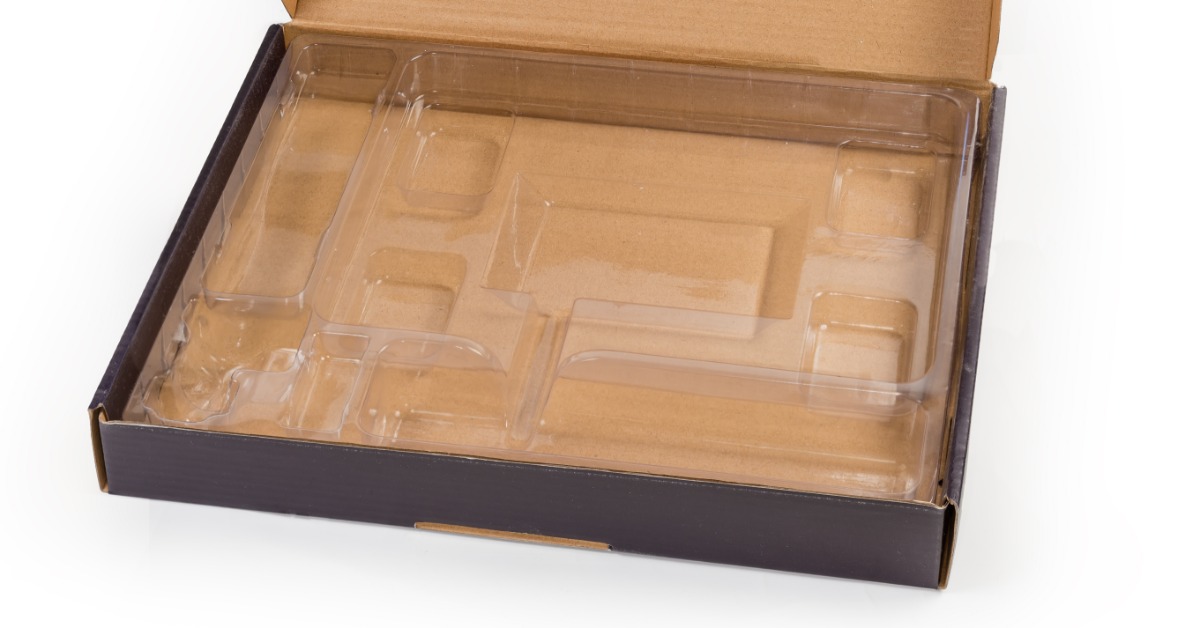
Protection depends on the product’s fragility and the retail environment. Thermoformed trays or clamshells can help cushion items during transport and create a custom fit around delicate or irregular items. When paired with an outer carton or shipper, a formed insert can support both presentation and transit protection.
Blister packaging can be helpful when the product needs visibility and tamper resistance in a compact retail format. The sealed backing can make unauthorized access more noticeable, while the clear front keeps the item visible to shoppers. For small products that could be misplaced or damaged, security can be valuable.
The stronger option is not universal. A heavy item may need the structure of a thermoformed tray, yet a small retail product may benefit from a sealed blister card.
Production and Sealing Methods: What Each Requires Operationally
Thermoforming requires tooling that matches the intended shape, along with equipment that heats the plastic for forming and trimming. The operational focus is on product fit and repeatability. Some formats may require additional packing steps, especially when a thermoformed part is used as an insert within a carton or display.
Blister packaging adds sealing as a central production step. The blister must be placed with the product and bonded to the backing through a compatible sealing method. Heat sealing is common, although the exact process depends on the materials and package requirements.
Operational planning should account for equipment and sealing compatibility.
Core Structure: Where the Money Goes
Many different variables influence packaging cost. For example, the choice of material and finishes, along with the run size and assembly, determines the cost per package. Thermoformed packaging costs depend on cavity depth and whether the formed part is a single component within a larger packaging system.
The blister and backing with print requirements shape blister packaging costs. A business shouldn’t forget about sealing requirements either. A blister card may use less plastic than a full clamshell, but the printing and sealing requirements can add costs.
A lower unit price does not always mean a better packaging decision. Factors like damage rates or shelf performance can affect the actual economics.
Choosing Your Option With Golden West Packaging Group
The right package should feel like it was made for the product from the beginning. A package can do more than hold an item in place. It can make the product easier to understand and easier to move from production to the customer’s hands.
Golden West Packaging Group helps brands turn those decisions into packaging that feels considered at every touchpoint. Whether the best fit is a thermoformed structure, blister format, or another custom solution entirely, GWPG can help shape the package to meet the product’s needs for shelf-ready and shipment-ready status.
Understanding the differences between thermoformed and blister packaging makes the next step clearer. For brands weighing their options, Golden West Packaging Group can help turn those requirements into a practical custom packaging solution.