




Shipping damage rarely comes down to bad luck alone. Box construction plays a major role in how well a product handles warehouse movement and long transit routes. For brands shipping anything from lightweight consumer goods to heavier retail packs, the wrong corrugated wall type can create avoidable problems before a shipment ever reaches its destination. Comparing single and double-wall corrugated boxes helps clarify how each option performs under different conditions and why the best choice depends on what the box needs to do once it enters the supply chain.
Why Box Wall Strength Matters in Shipping Conditions

Box wall strength matters because a shipping container needs to protect a product well beyond the final delivery. Weight from pallet stacking, or even humidity, can affect how well a corrugated box holds its shape and protects its contents. When exposed to these pressures, packaging can become damaged before it reaches the customer
Corrugated accounts for about 80% of packaging demand in e-commerce, which means more products are moving through shipping networks where outer-case performance matters every day. A box that works in a short, controlled delivery cycle may struggle once loads get heavier or shipments spend more time stacked before delivery.
What Single-Wall Corrugated Boxes Are
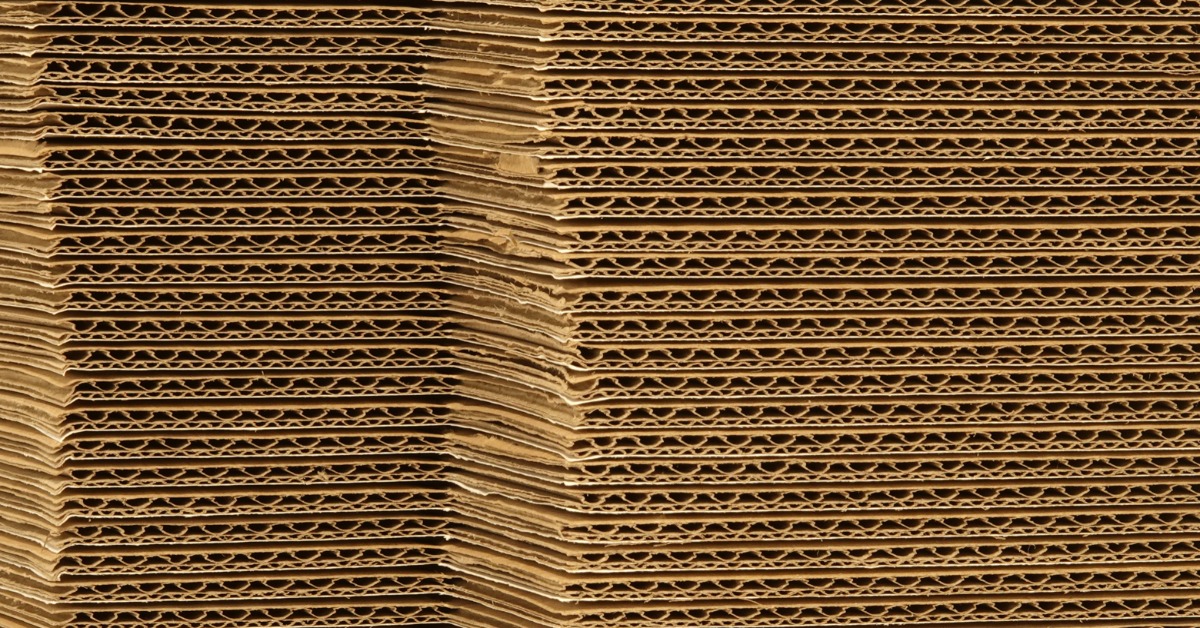
Single-wall corrugated boxes are made from a single fluted layer placed between two flat linerboards, creating a three-layer material widely used for shipping and packaging applications. The fluted inner layer gives the board its recognizable corrugated structure, while the outer liners form the flat surfaces used for printing and labeling. The format is commonly used across many industries for custom corrugated packaging, as it can be manufactured in a wide range of box styles, sizes, and configurations depending on the product being packed.
What Double-Wall Corrugated Boxes Are
Double-wall corrugated boxes are made with two fluted inner layers and three flat linerboards, creating a thicker five-layer board structure. Instead of using a single corrugated medium in the center, this format combines two corrugated media with an additional flat sheet between them, resulting in a more substantial build. Just like the single-wall opposite, the double-wall board is also used in a variety of shipping and industrial packaging applications and can be manufactured in different flute combinations, dimensions, and box styles.
Side-by-Side Comparison: Strength and Durability
Looking at these categories separately makes it easier to understand how box construction affects shipping outcomes from multiple angles. Each one highlights a different aspect of how a corrugated box holds up once it moves through the shipping stages.
Strength Under Shipping Pressure
Strength affects how much pressure a box can handle before the structure starts to give way. For example, the weight of a dense product can slowly chip away at the box’s strength. Wall construction directly affects how much load a corrugated box can handle, especially when cases are expected to maintain their shape under stress for more than a short period.
Single-wall corrugated boxes are used for lighter pack-outs where the case does not need to support as much weight over time. Double-wall corrugated boxes are better suited to heavier products and shipping conditions that place more pressure on the box.
Durability Through Handling and Transit
Durability has more to do with how well a box holds up as conditions change throughout storage and transit. Repeated handling by carriers can wear down packaging over time. A box may leave the packing line in excellent condition, only to face environmental stress that compromises its performance before delivery is complete.
Single-wall boxes can perform well in controlled shipping environments, especially when handling is limited, and the route is fairly straightforward. Double-wall boxes are typically chosen for situations where the package may experience longer transit cycles or more demanding warehouse conditions.
Cost Comparison: Upfront Price vs. Long-Term Value
Single-wall corrugated boxes usually cost less upfront because they use less material and have a lighter overall construction. For businesses shipping lighter products in more controlled conditions, that lower starting cost can make them a practical choice for everyday packaging needs.
Double-wall corrugated boxes have a higher unit cost, but the long-term value may be greater when products are heavier or more fragile. Spending more on the outer case can help reduce damage and replacements that affect the total value of the shipment over time.
Choosing the Right Wall Type for Your Product
The right wall type depends on the product, how it is packed, and what the shipment will encounter before delivery. A lighter item with a compact shape, such as boxed cosmetics, may only need a single wall if the case is not carrying much weight. A heavier product, such as glass bottles or multi-unit packs, may call for a double wall because the outer case needs to withstand greater strain.
Shipping conditions should guide the decision just as much as product weight. A business sending products to nearby retailers on short, local routes may not need the added structure of a heavier box. A company shipping across multiple states and using freight delivery should look more closely at a double wall. The better choice usually becomes clearer once the product, route, and handling conditions are evaluated together.
Sustainability Considerations: Which Option Is More Eco-Friendly
Corrugated remains a strong choice from a broader environmental standpoint, since it is often made with about 70% to 100% recycled material. Single-wall corrugated boxes appear to be the more sustainable option because they use less material, potentially reducing overall packaging waste.
A double wall can still support sustainability goals by using the same recycled material. A box that uses more material upfront may still be the better environmental choice if it helps avoid wasted product and additional packaging further down the line.
Every shipping program asks something different from a corrugated box, which is why wall construction deserves careful thought. Comparing single- and double-wall corrugated boxes can help brands make packaging choices that better align with their products and distribution needs.
Golden West Packaging Group helps businesses determine which corrugated structure fits the job by aligning box design with weight, handling conditions, and shipping demands. That kind of guidance makes it easier to choose packaging with a clearer purpose behind it. Contact us to develop a solution built for the way your products ship.