


A crushed corner or a scuffed premium finish does more than prompt a replacement order; it disrupts the customer experience your brand worked hard to build. Custom corrugated packaging for shipping fragile products gives each shipment a structure tailored to the product’s weakest points, rather than a generic box pulled from inventory. When protection is engineered into the package from the beginning, fragile items have a better chance of arriving with the confidence they had when they left your facility.
What Makes a Product Fragile in Shipping Terms?
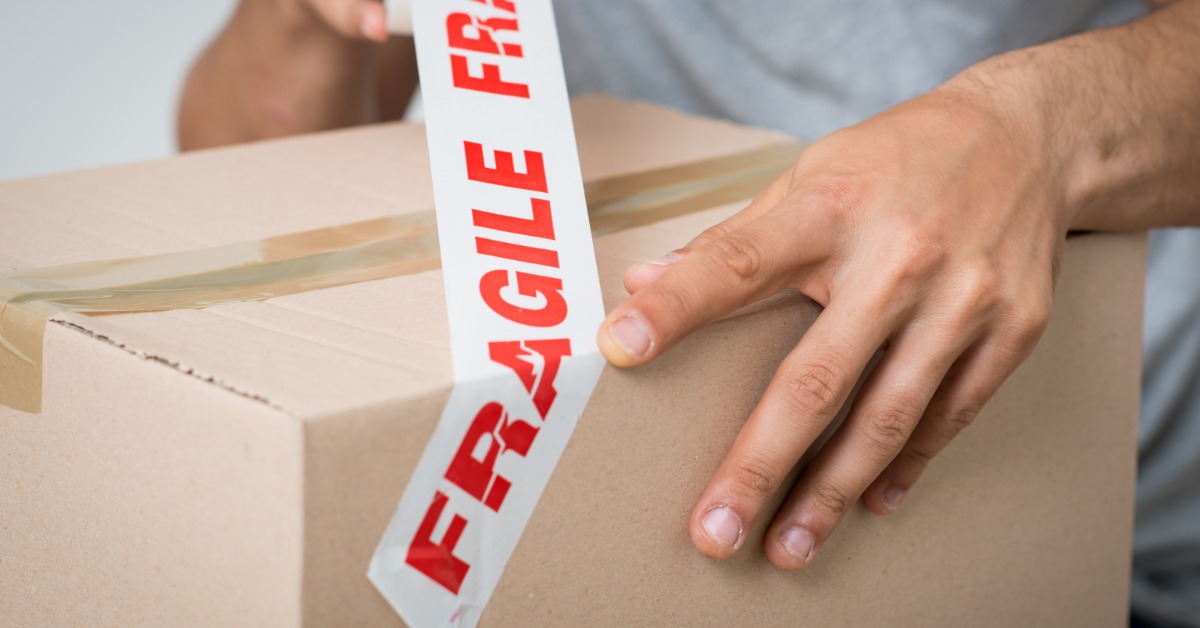
Fragility is not limited to products that break on impact. Someone might consider a product to be fragile if it dents easily, scratches during movement, loses alignment, or has a finish that shows every scuff. Packaging teams look at how a product responds to handling and stacking.
A heavy item with one weak corner presents a different risk than a lightweight item with a polished surface. Product geometry plays a large role because sharp edges and unsupported voids concentrate stress during movement. Once those weak points are understood, packaging decisions become more precise.
Why Corrugated Material Is Ideal for Fragile Items
Corrugated material is widely used for fragile shipments because its fluted structure creates a balance between cushioning and strength. The arched medium between linerboards absorbs shock as a package moves through warehousing and transportation. Corrugated packaging provides stacking support, which protects the product from pressure during storage.
Another advantage is adaptability. Corrugated structures are engineered with different board grades and flute profiles depending on the product’s needs. Stronger results come from choosing a structure that manages force more effectively.
Customization Options That Directly Improve Protection
A standard box might hold a fragile product, but it rarely addresses the product’s specific failure points. Custom corrugated boxes give packaging teams more control over performance from the start. Tying each design choice to a known risk makes the package easier to justify and improve.
Box Style Selection
Box style affects how force travels through the package. A regular slotted container might work for many shipments, though heavier, fragile items require a structure with stronger seams or more controlled closure points. Die-cut styles give a more exact fit when the product needs guided placement.
The right style should ensure consistent packing for fulfillment teams. Consistent loading keeps the product from shifting or sitting at an unsafe angle.
Material Strength
Material strength should match the product and the shipping path. A fragile item traveling through parcel networks faces different handling conditions than a bulk shipment moving by pallet. Board strength, edge crush performance, and burst resistance influence how well the package holds up under pressure.
Overbuilding the package is not always the best answer. Excess material raises costs and creates inefficient freight dimensions. A well-designed corrugated structure uses the right strength where the product needs it most.
Internal Protection
Internal protection keeps the product from contacting the outer walls of the box. Inserts or molded paper components create separation and hold the item in position. For fragile products, the interior is often where the most meaningful protection happens. If the product stays centered and supported, the outer box is more likely to do its job.
Package Reinforcements
Reinforcements address areas where stress is likely to concentrate. Corners, closures, handles, and load-bearing panels may require additional structural support depending on how personnel lift or stack the package. Reinforcement does not need to make the package complicated; it needs to solve a clear problem.
A strong design considers how people will handle the box, not only how it looks on a spec sheet. Frequent grip points and likely drop zones should guide reinforcement decisions.
Custom Sizing
Custom sizing reduces unnecessary space inside the package. Extra room allows fragile items to move, and that movement increases the chance of impact damage. A closer fit helps the product stay where it belongs during transit.
Dimensional control improves more than protection. Right-sized packaging supports better pallet layouts and more efficient shipping. For fragile products, the strongest package is the one with the least room for error.
Testing and Validation To Ensure Packaging Performs Under Stress
You should be testing a package before you can trust it at scale. Lab testing and validation ensure packaging teams understand how a design performs under compression, vibration, drop impact, and other shipping stresses. Results provide brands with evidence that the packaging is suited to the product and distribution path.
Testing is useful because assumptions often fail in real shipping conditions. A package might look secure during assembly, yet weak points become apparent when you subject it to repeated movement. Validation reveals those problems before customers experience them.
Design teams use test results to refine the packout method. Small changes make a significant difference when they are based on measured performance.
Sustainability Considerations for Fragile-Product Packaging
Sustainability and protection are something to consider together. A package that reduces material but fails during shipping creates waste through replacements and returns. For fragile products, responsible packaging begins with preventing damage.
Corrugated materials offer practical sustainability advantages because they are widely recyclable in many markets and support efficient material use. Design choices still need discipline, though. Oversized boxes and unnecessary reinforcements work against sustainability goals if they do not improve performance.
Recyclable materials and efficient structural design reduce waste without weakening protection. For brands that care about presentation and responsibility, corrugated packaging offers room for careful balance.
Find the Right Packaging Partner in GWPG

Fragile products need packaging built around your business’s shipping conditions. Golden West Packaging Group supports brands with custom corrugated packaging, structural design, testing, and integrated manufacturing expertise across industries such as food, medical, consumer products, wine and spirits, agriculture, and health and beauty. Our breadth helps packaging decisions connect protection with production needs from the beginning.
GWPG’s team helps brands move from risk assessment to a finished corrugated solution with greater clarity. The right partner does not rely on guesswork when product damage is at stake. Custom corrugated packaging for shipping fragile products gives brands a stronger path toward better presentation and fewer preventable losses.
Ready to protect fragile products with packaging built for the way they ship? Contact Golden West Packaging Group to start the conversation.