

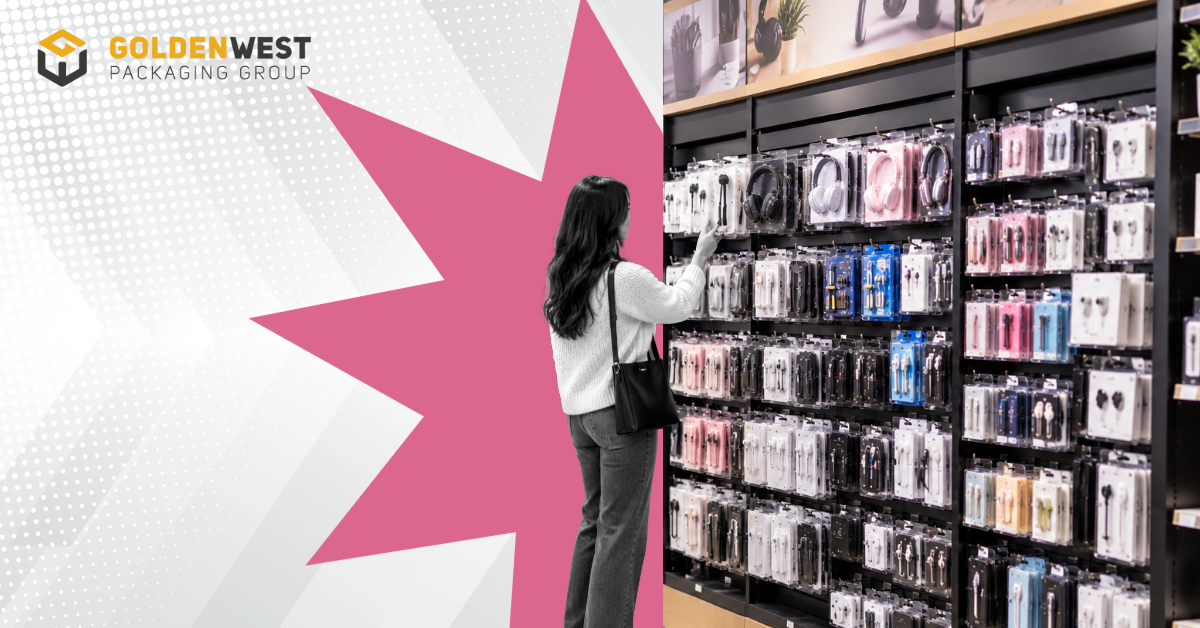
Retail shelf appeal depends on how well every part of the package supports the product before a shopper picks it up. When a visible product cavity is part of that presentation, it influences how intentional the final package looks. Designing thermoformed packaging for retail shelf appeal means shaping the product experience from the inside out, so structure supports both presentation and performance.
What Makes Thermoformed Packaging Ideal for Retail Environments?
Retail packaging has to survive a demanding path before it reaches a shopper’s hand. Thermoformed formats are molded around the product, ensuring the package presents a cleaner silhouette and reducing unnecessary movement inside the cavity. A close fit works well for products that need an organized, secure appearance without hiding the item from view. The thermoformed format suits retail because it combines presentation with containment, making the product easy to see and easier to merchandise.
Understanding Retail Shelf Appeal
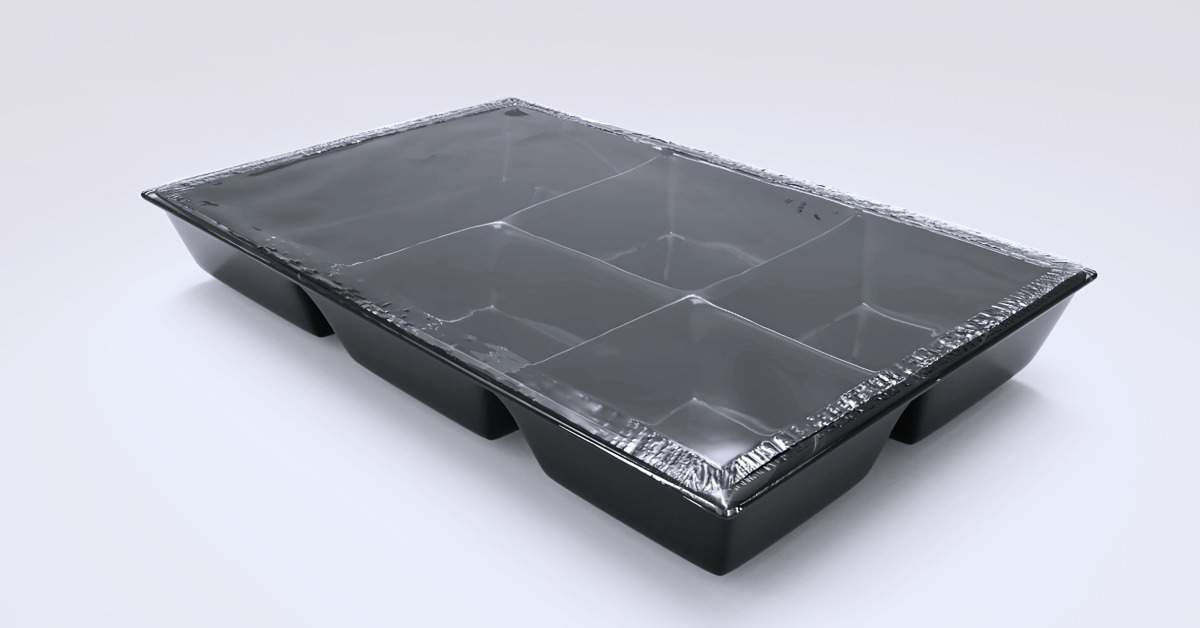
Shelf appeal begins with how quickly a shopper understands what the product is and why it belongs in their consideration set. A package has a few seconds to signal quality, function, and brand personality before the eye moves elsewhere. Thermoformed packaging supports that moment by creating depth on a flat shelf, adding dimension that printed packaging alone does not always achieve.
Strong shelf appeal looks immediate, but the design choices behind it are deliberate. The goal is not to make the loudest package in the aisle; the goal is to make the product look clear and credible.
Designing for Visual Impact: Forms, Clarity, and Branding Elements
Shape has a significant influence on retail impact, even if it is often overlooked during design. A smooth cavity changes how the product reads from several feet away. Clear materials keep the product visible, yet branding still needs enough space to anchor the design and prevent the package from looking unfinished.
Graphic elements should guide the eye toward the product, then support the claim or brand cue that follows. The strongest designs use the thermoformed structure as part of the brand presentation, not merely as a shell around the product.
Optimizing Product Visibility and Presentation
Visibility works best when the package directs the shopper’s eye toward the product’s most persuasive detail. A beauty item might need the shade or applicator to be visible. A consumer product might rely on its shape or use case so customers see it. Thermoformed trays provide a controlled way to position products consistently, so the display looks intentional across every unit on the shelf.
Consistent positioning becomes important when multiple packages sit together, and the brand block needs to appear orderly. Product orientation should be tested from the shopper’s natural viewing angle, since a small shift in placement changes what gets noticed first.
Material Selection for Shelf Appeal and Performance
Material choice affects how a package looks under store lighting and how it performs during handling. A clear plastic with strong optical properties reduces visual distortion, which supports a cleaner product view. Material gauge affects rigidity, so the package should hold its shape without appearing bulky or overbuilt.
Surface finish warrants careful consideration because glare or scuffing will affect how clean the package appears at retail. Sustainability goals, recyclability considerations, and product compatibility need to be part of the conversation early, because late changes to material selection often affect structure and appearance simultaneously.
Structural Integrity and Protection Without Sacrificing Aesthetics
A retail package should protect the product without making that protection look heavy-handed. Formed edges add strength, but they need to sit in places that support the design visually. When reinforcement interrupts the product view or crowds the brand panel, the package starts to look engineered for a warehouse, not a retail shelf.
The package has to resist compression and stocking pressure without distracting from the product inside. A skilled structural design process keeps strength in the background, allowing the product presentation to stay clean.
Retailer Requirements, Compliance, and Practical Constraints
Shelf appeal still has to work within the limits of retail programs. Retailers set requirements for hanging features, footprint dimensions, labeling areas, or tamper-resistant details before a package reaches the shelf. Those requirements shape the available design space, so they should guide early concepts well before the end of development.
Packaging teams should confirm how the item will hang, stack, scan, and ship before finalizing the form. Golden West Packaging Group’s packaging support is valuable in this stage because retail readiness depends on both creative design and practical execution.
Cost-Efficient Design: Balancing Shelf Appeal With Production Realities
A beautiful concept loses momentum when it adds unnecessary complexity to the packing or fulfillment process. Cost-efficient thermoformed design starts with understanding which details shoppers will notice and which details create little value once the product is on the shelf.
Simplifying a contour or tightening a cavity dimension preserves the visual goal and improves production performance. Early prototyping helps teams see where the design should be refined and where it should be simplified for repeatable manufacturing. Smart design choices protect the shelf presence without forcing brands into avoidable manufacturing strain.
Common Design Mistakes That Undermine Shelf Appeal
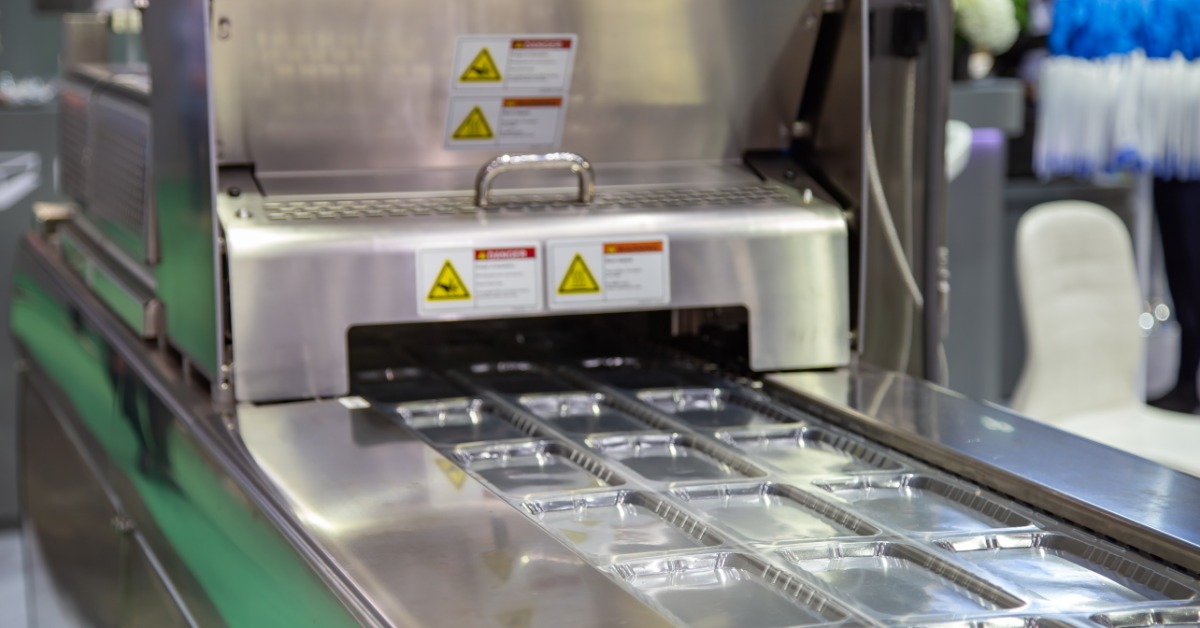
One common mistake is treating thermoformed components as an afterthought once the outer packaging direction is already set. When the formed piece is developed too late, the final package might look disconnected, with the insert serving a practical role but failing to support the overall retail presentation.
Another issue is overlooking how the shopper will open or interact with the product after purchase, since a difficult experience weakens the impression the package worked so hard to build. Strong shelf appeal continues through the first use, so the design should make the product look considered from the aisle to the unboxing moment.
Partner With Golden West Packaging Group for Thermoformed Packaging
The best retail packaging decisions connect design ambition with manufacturing knowledge early in the process. Golden West Packaging Group works with brands across industries to develop custom packaging that supports product protection and retail presentation.
For companies evaluating thermoformed formats, the right partner helps shape a package that looks polished on the shelf and performs through the path to purchase. The collaboration should bring creative direction and technical discipline into the same conversation, so the final package is intentional from every angle.
When designing thermoformed packaging for retail shelf appeal, GWPG brings the structural and production expertise needed to turn a promising concept into packaging ready for retail shelves.