



A paper bag starts making promises the moment a customer reaches for it. The weight of the stock, the way the handle sits in the hand, and the way the base holds its shape all signal whether the brand thought beyond the first impression. For retail brands, features to incorporate for durable paper bag designs should support the product’s journey from checkout to wherever the customer carries it next. When the design is sturdy without looking bulky, the bag turns a simple transaction into a more memorable brand touchpoint.
Reinforced Handles for Comfortable Carrying
Handles take on the first signs of strain because they carry most of the bag’s moving weight. Reinforcement around the handle area distributes tension across a wider section of paper, which lowers the chance of tearing near the opening.
Rope, ribbon, die-cut, or twisted paper handles each create a different carrying experience, so the attachment method should match the product’s expected weight. A strong handle should support the customer’s grip without distracting from the bag’s overall look. That balance is important because a torn or uncomfortable handle changes how customers remember the entire package.
Thicker Paper Weight for Better Load Support

Paper weight shapes how a bag responds once products are placed inside. A heavier stock provides more structure, which makes the bag stand upright and resist buckling during use.
The best choice is not always the thickest material, though. Brands need a paper weight that supports the product while still folding cleanly and presenting well in a retail setting. For luxury shopping bags, a substantial paper weight communicates quality before the customer even looks inside.
Gusseted Sides for Added Capacity and Shape
Side gussets expand the usable space of a paper bag without making the front panel appear oversized. They help the bag open more naturally, which is important when products have rigid forms or boxed shapes.
A well-planned gusset improves how the bag sits on a counter or display surface. When the side panels are sized correctly, the bag maintains a cleaner profile after it is filled and carried.
Reinforced Bottoms for Heavier Products
The bottom panel bears direct downward pressure, so it requires support equal to the product’s weight. A reinforced base evens out that pressure across the bag rather than concentrating it in a single weak area.
The added support is most noticeable when products sit in the bag for more than a quick handoff. Inserted bottom boards or folded reinforcement panels are common ways to add stability to the design. With heavier retail goods, like candles, that added structure ensures the bag stays level and reduces the risk of sagging.
Fold and Seam Placement That Reduces Stress Points
Durability depends on where the bag folds and where seams are positioned. Poorly placed seams form weak zones that are repeatedly subjected to pressure every time the bag is opened, filled, or carried.
A thoughtful structure moves stress away from high-tension areas and protects the visible panels from unnecessary distortion. Clean fold planning is one of the quiet design choices that separates a sturdy custom bag from one that only looks strong at first glance.
Lamination or Coatings for Surface Protection
Surface protection supports the bag’s exterior to withstand handling before and after purchase. Lamination or coating reduces scuffing, protects printed graphics, and introduces a more finished surface for retail presentation.
The choice should support the brand’s visual direction without making the bag harder to use or recycle. A smooth protective layer works best when it strengthens the surface while keeping the design aligned with the product category.
Interior Support Features for Specialty Products
Some products need internal stability as much as exterior strength. Products such as wine bottles or cosmetics could shift inside a standard paper bag if the interior space is not planned correctly.
Inserts and dividers keep products in position during carrying. These details are most useful when the item’s shape generates pressure against one side of the bag. A stronger interior structure makes the full package more controlled.
Durable Printing and Finishing Choices
Printing and finishing affect durability because the bag’s graphics are part of the customer-facing experience. Ink coverage, foil placement, embossing depth, and varnish selection should be chosen with handling in mind. A beautiful finish loses its impact when it scratches easily or cracks around folds. Durable print planning considers where fingers grip the bag and where surfaces rub during transport. The goal is a design that stays sharp through real use, not only in a mockup.
Reusable Design Details That Extend the Bag’s Life
Reusable paper bag design depends on comfort, structure, and visual restraint. A bag that looks too tied to one event is less likely to be used again, even when the structure holds up well.
A strong and stable structure with a refined finish makes the bag easier to keep and carry over time. Brands that want longer-term use should consider how the bag will look in a customer’s hand after leaving the store.
Choosing the Right Paper Bag Features With GWPG
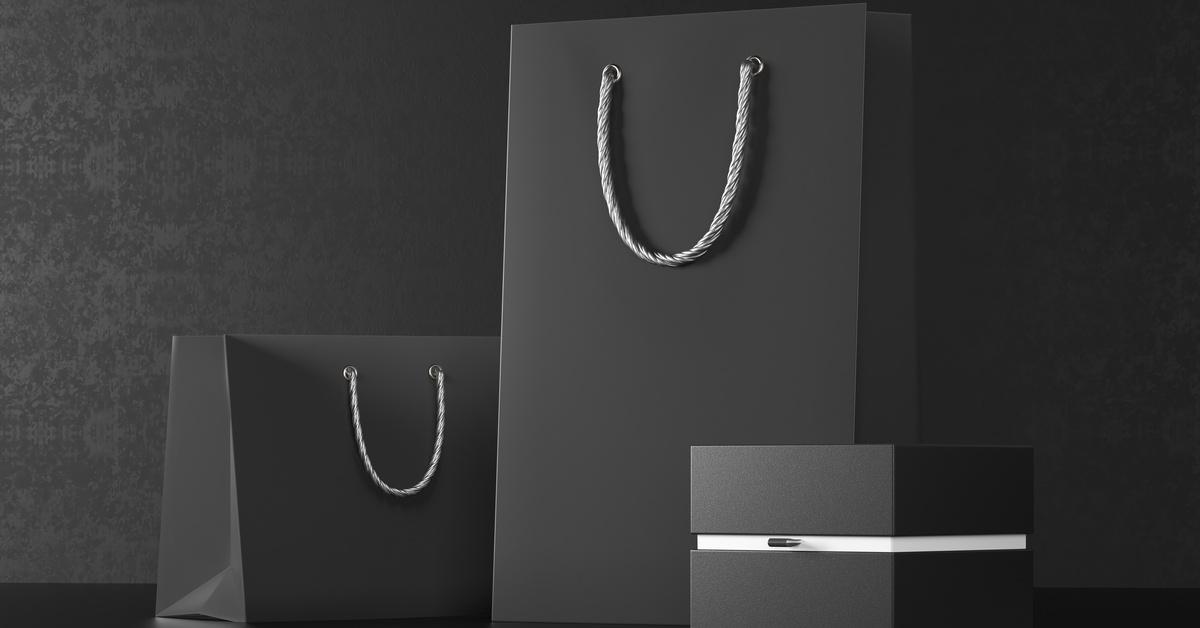
Durable paper bag design works best when structure, material, and presentation are planned together. Golden West Packaging Group assists brands in creating tailored packaging across various retail categories. For paper bag projects, the design conversation should move beyond surface style and into how the bag will carry and protect the product while representing your brand.
GWPG’s broader packaging expertise supports brands that need their paper bags to fit within a larger packaging program. A retail bag might need to coordinate with folding cartons or display packaging used in the same campaign. When those pieces are developed with a unified approach, the customer experiences a more consistent brand. The finished bag should look polished and perform under real retail conditions as well.
Durability is not one decision made at the end of the design process. It comes from choosing the right structure for the product, then refining the details that support handling and presentation. The best features to incorporate for durable paper bag designs protect a customer’s purchase and strengthen their impression of the brand after checkout. With the right packaging partner, a paper bag serves as a practical extension of the brand experience.