



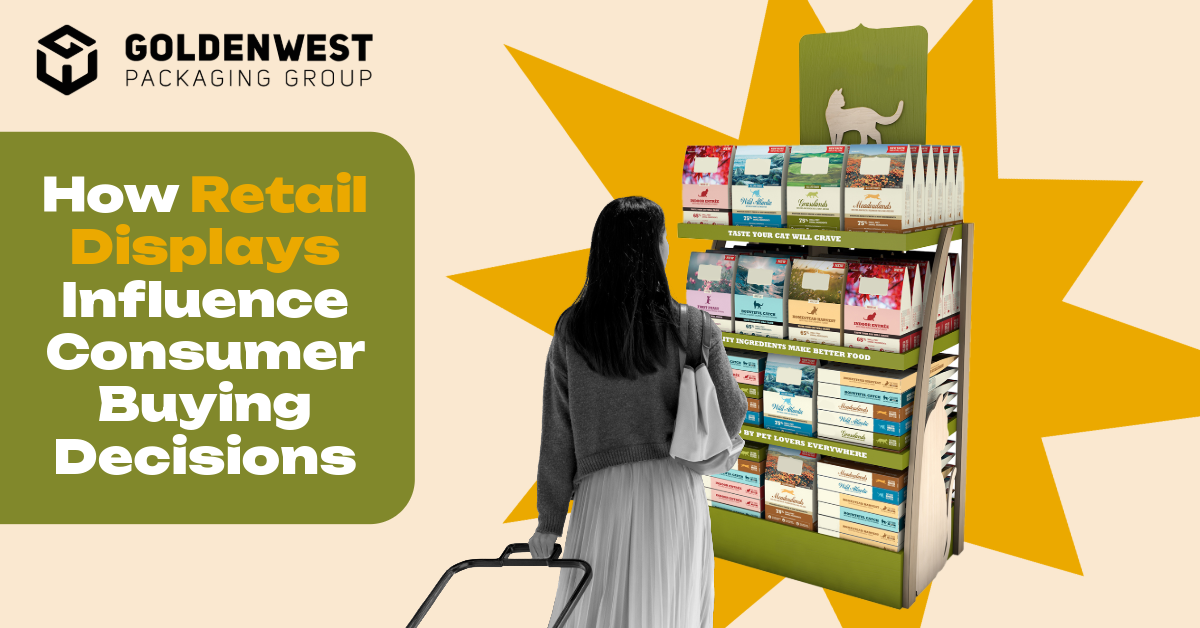
A shopper turns a corner, and suddenly, a product not on their list captures their full attention. Strong retail displays create that moment by giving products a reason to be noticed. How retail displays influence consumer buying decisions comes down to how well they turn passing interest into confidence. When the design is clear and the message feels relevant, the product has a better chance of making it into the cart.
The Psychology Behind Effective Retail Displays
Buying decisions often begin before a shopper reads a product label. The display features, such as color and shape, signal whether a product belongs to a premium, practical, playful, or everyday category. Those cues help shoppers sort options quickly in a store where attention is limited.
A display reduces hesitation by making the product easier to understand. When the design highlights a clear use case, the shopper has less work to do. Confidence grows when the display answers the first question in the buyer’s mind.
How Visual Merchandising Shapes Shopper Behavior
Visual merchandising gives products a sense of order. A display with a clear hierarchy directs the eye toward the most important message first, then supports it with nearby details. Good sequencing keeps the shopper from feeling overloaded.
For example, a beverage display might lead with the brand name at eye level and place the flavor or key benefit directly beneath it. The shopper can identify the drink and decide whether to buy it in just a few seconds.
Good merchandising can also influence how long someone stays with a product. When the layout is clean and the message is easy to follow, shoppers are more likely to pause and pick up the item.
Types of Retail Displays and the Buying Behaviors They Influence
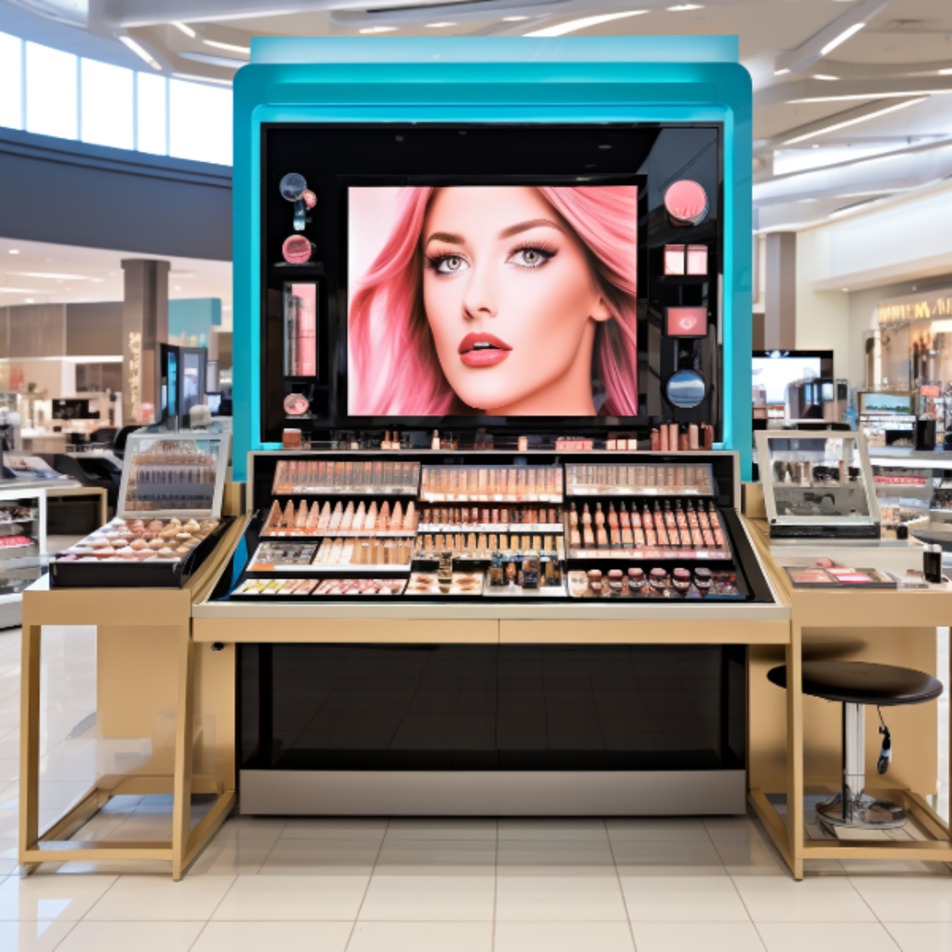
Different display formats encourage different shopper actions. For longer campaigns, permanent displays help a brand maintain a steady presence across repeated store visits.
Endcap Displays
Endcap displays sit at the end of an aisle, where they can catch shoppers as they move through the store. Their strength comes from visibility. A product that might blend into a shelf set gains separation and priority in this position.
These displays work well for promotions or seasonal timing because they interrupt the normal aisle pattern. A clear message and an easy product grab turn attention into action.
Point-of-Purchase (POP) Displays
Point-of-purchase displays reach shoppers near checkout. At that stage, the shopper may be receptive to a practical add-on or a small indulgence. The display needs to communicate quickly because the window for attention is short.
Simple language is valuable here. A strong POP display does not need to explain everything about a product. It needs to make the next step obvious.
Floor and Freestanding Displays
Floor and freestanding displays create a branded space outside the standard shelf environment. Because they stand on their own, they can make a product feel like a featured destination. The separation gives new launches a better chance of gaining awareness.
Structure plays a major role in these displays. If the product is heavy or fragile, the display must remain organized throughout the retail cycle. A durable build protects the presentation as shoppers interact with it.
Window Displays
Window displays speak to people before they enter the store. Their job is to create interest from a distance and suggest what kind of experience the shopper might find inside. The message should be simple enough to understand in passing.
A strong window display builds anticipation. Once the shopper enters, the in-store experience needs to continue the same visual promise.
The Role of Layout and Store Flow in Consumer Decision-Making
Store flow affects how shoppers discover products. A display placed near a natural traffic path is more likely to be seen than one tucked into a quiet corner. Visibility, however, is only the starting point.
The best placements support the way shoppers already move. A display near a related category is relevant because the shopper is already thinking about that need. When placement aligns with intent, the product has a better chance of becoming part of the purchase plan.
How Digital and Interactive Displays Change Buying Behavior
Digital and interactive displays provide shoppers with more information without crowding the physical space. A QR code or interactive element explains a product story in layers. The shopper could engage more deeply when interest is already present.
Technology works best when it solves a clear communication problem. If the product requires education, digital content helps clarify its value. If the product is simple, the same technology may become a distraction.
How Retail Displays Build Brand Perception and Trust
Retail displays do more than present products. They shape how shoppers judge the brand behind them. A clean structure with precise graphics and steady product organization suggests that the brand pays attention to details.
Trust grows when the display matches the product promise. A premium product needs a presentation that supports that position. A practical product needs a design that makes selection easy and dependable.
Packaging consistency helps here. When the display, product packaging, and retail message work together, the shopper receives one clear impression. Mixed signals can make the brand harder to understand.
Measuring the Impact of Retail Displays on Buying Decisions
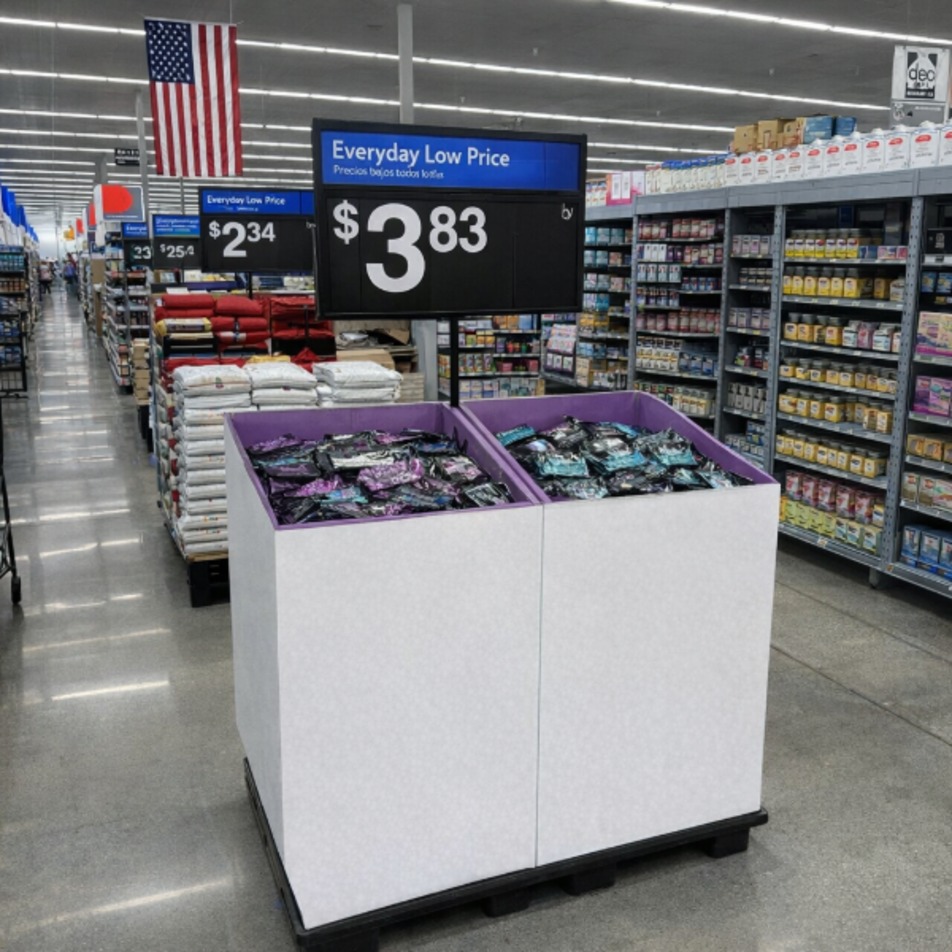
Display performance should be measured with the same care used in its design. Sales lift is useful, but it does not tell the whole story. Brands can look at variables such as sell-through speed or replenishment needs to understand what is working.
Observation can reveal problems that numbers miss. If shoppers notice the display but do not pick up the product, the message may need to be clearer. If the display looks worn too quickly, the structure may need improvement.
Practical Tips for Creating Displays That Drive Purchases
- Start with one clear shopper action, such as noticing, comparing, sampling, or buying.
- Keep the main message visible from the shopper’s natural viewing distance.
- Match the display format to the product’s price point and decision process.
- Use a structure that can handle real store traffic and repeated product handling.
- Make replenishment simple so the display stays clean during the promotion.
- Align display graphics with the product packaging for a unified brand impression.
- Review store feedback after launch so future displays can improve.
A truly great display is the moment where a product stops blending in and starts earning real attention. How retail displays influence consumer buying decisions comes down to giving shoppers a clear reason to notice, trust, and choose a product in-store. For brands that need displays to look sharp and support retail goals, Golden West Packaging Group develops custom display packaging that balances presentation and performance.