


A customer has already made the purchase, but the brand experience is not finished yet. The bag they leave with becomes part of the reveal and sometimes the keepsake. A brand’s guide to custom luxury bags for retail packaging should treat that moment as an opportunity to make the purchase more memorable without turning the packaging into a gimmick. When every design choice works together, a simple carrier begins to function as part of the product experience.
How Can a Bag Be Luxurious? Key Features That Set Them Apart
Luxury begins with the way a bag holds itself. A flimsy carrier draws attention for the wrong reasons, but a well-built bag conveys care before anyone even studies the logo. A bag becomes luxurious when it looks intentional and supports the purchase with the same care as the product packaging itself.
Key features that set luxury bags apart include:
- Premium paper weight: A thicker material gives the bag structure and creates a stronger first impression in the customer’s hand.
- Clean construction: Sharp folds and reinforced bottoms make the bag look finished from every angle.
- Refined handle choices: Rope or satin handles influence comfort and change the overall presentation.
- Thoughtful finishes: Embossing, foil, soft-touch coatings, or gloss accents add depth when used with restraint.
- Brand-specific proportions: The bag’s dimensions should fit the product naturally so the finished package looks deliberate.
Why Brands Invest in Custom Luxury Bags

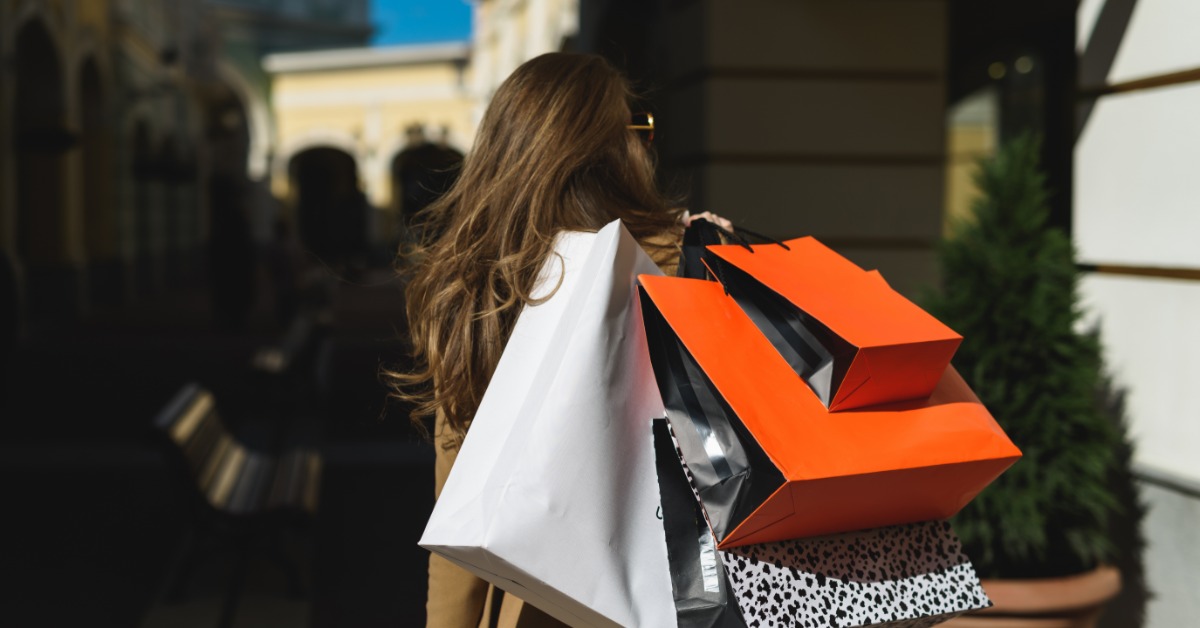
Brands invest in luxury bags because the retail experience does not end at checkout. Once a customer leaves the store, the bag becomes a moving impression of the purchase and the company behind it. A strong bag carries more than a product; it carries the memory of how the purchase was presented.
Types of Custom Luxury Bags
Golden West Packaging Group offers several luxury paper bag styles that suit different retail environments and product categories. The right format depends on the product and your brand.
Wine Bags
Wine bags need structure before anything else. A bottle has weight and a narrow profile, so the bag must support the product without looking bulky or unstable. For example, a specialty grocer or winery might use a wine bag to curate a more gift-ready presentation at checkout.
Cosmetics Bags
Cosmetics bags work best when they look polished at a smaller scale. Beauty customers tend to notice the bag’s appearance, so the details need to look clean and deliberate. A compact luxury bag with crisp printing and a refined handle gives cosmetics purchases a more elevated handoff.
Consumer Bags
Consumer bags cover a wider range of retail purchases, from apparel and accessories to specialty goods. Since these bags may leave the store in high-traffic settings, the design should look branded without appearing cluttered. Strong construction and balanced graphics make the bag useful during the purchase and presentable after the customer leaves.
Reusable Bags
Reusable bags extend the life of the retail package beyond the first transaction. When a bag is durable enough to keep, customers may carry it again in their daily routines, which gives the brand repeated visibility. This format works well for businesses that want their packaging to feel premium and worth holding onto.
Customization Options That Influence Brand Impact
Customization should begin with the brand’s visual language, not a catalog of effects. A luxury bag for a heritage wine label should not look like one made for a bright cosmetics launch. The design has to carry the same personality that the customer already recognizes from the product and store environment.
Color accuracy deserves close attention because small differences become noticeable across packaging systems. A brand color that looks rich on a box may appear muted on a different paper surface, so testing is important before production. Print method, ink coverage, and finish selection should work together so the final bag looks consistent under retail lighting.
Structural customization shapes the experience in ways customers may not consciously name. Gusset depth affects how naturally the product sits inside the bag, and bottom reinforcement changes how secure the bag is when carried. Handle material influences comfort and changes the perceived level of the package as well.
Sustainability in Luxury Packaging
Modern consumers tend to notice waste more quickly than they once did. A luxury bag that looks excessive may weaken the premium impression it was meant to create. The stronger approach is to design packaging that’s elevated because it is considered, not because it uses unnecessary material.
Several choices affect the environmental profile of a bag, like paper selection and coating choices. Still, sustainability should not be reduced to a claim printed near the bottom fold. A durable bag sized properly for the purchase already communicates more responsibility than oversized packaging with vague language.
For brands, the challenge is balance. The bag should protect the product, represent the brand, and respect customer expectations around waste. Working through those decisions early prevents sustainability from becoming an afterthought once the visual design is approved.
How To Choose the Right Packaging Partner
The right packaging partner should understand how retail design and production realities meet. A beautiful concept loses value if the bag scuffs too easily or arrives with inconsistent finishes. Luxury packaging requires creative judgment, but it also requires manufacturing discipline.
Sampling is one of the clearest signs of a thoughtful process. A physical sample lets a brand assess the bag under real conditions. Screen views do not reveal how a foil stamp catches light or how a rope handle sits in the hand.
Golden West Packaging Group brings broader packaging experience to this type of decision. Because GWPG works across custom packaging categories, the team approaches luxury bags as part of the larger customer presentation. That perspective is valuable when a brand needs the bag to align with displays or seasonal campaigns.
A guide to custom luxury bags for retail packaging should leave brands with one clear idea: luxury is not decoration added at the end. It comes from the way every packaging decision supports the customer experience, from the first glance to the moment the bag leaves the store.