


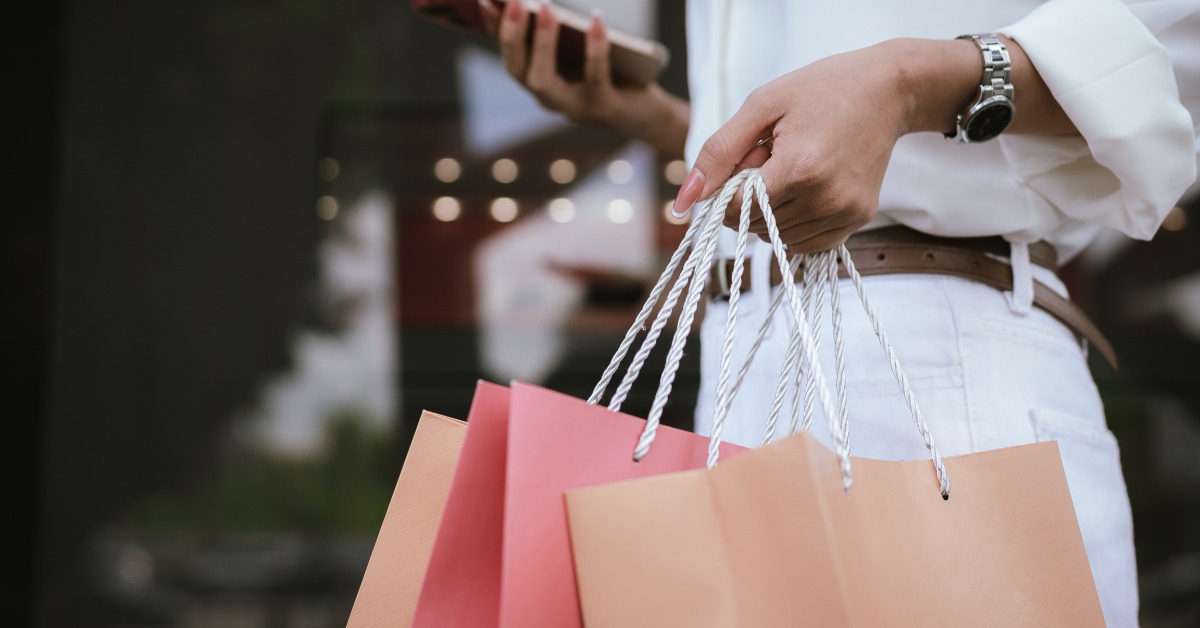
Retail packaging has changed. A bag no longer serves as a simple container that carries a purchase from the register to a customer’s car. It has become part of the store experience and often remains visible long after a customer leaves.
That shift has helped paper bags gain a much stronger presence across the retail industry. Stores now pay closer attention to how packaging looks, feels, and reflects the character customers associate with their products. Paper fits naturally into that new approach.
The growth of paper bag usage in the retail industry reflects a wider change in how retailers think about every physical detail connected to a sale. Customers notice packaging, and businesses know the final impression at checkout matters. A well-designed paper bag can continue the store experience beyond its doors without making the package feel like an advertisement.
Paper Bags Have Found a New Place in Retail
Paper bags have existed within retail for generations, but their role has changed considerably. Many stores now view them as an intentional part of the customer experience rather than an item selected only for basic product transport. That change gives paper greater importance within modern retail environments.
The material also fits the visual direction of many contemporary stores. Paper can feel simple, refined, or premium based on its structure and finish. Retailers can use that versatility to support a clear store identity without allowing the package to overshadow the merchandise.
Customer Preferences Have Changed the Conversation
Customers pay attention to details that once received little thought. The bag handed across the counter can influence how a purchase feels once the transaction ends. Retailers understand that even a small packaging choice can affect the final impression customers carry away.
Paper has become familiar within that environment. Customers encounter it across many retail sectors, and its presence often feels natural rather than unusual. That familiarity gives stores an opportunity to adopt paper without creating a package that feels disconnected from the broader retail experience.
Packaging Carries the Brand Beyond the Store
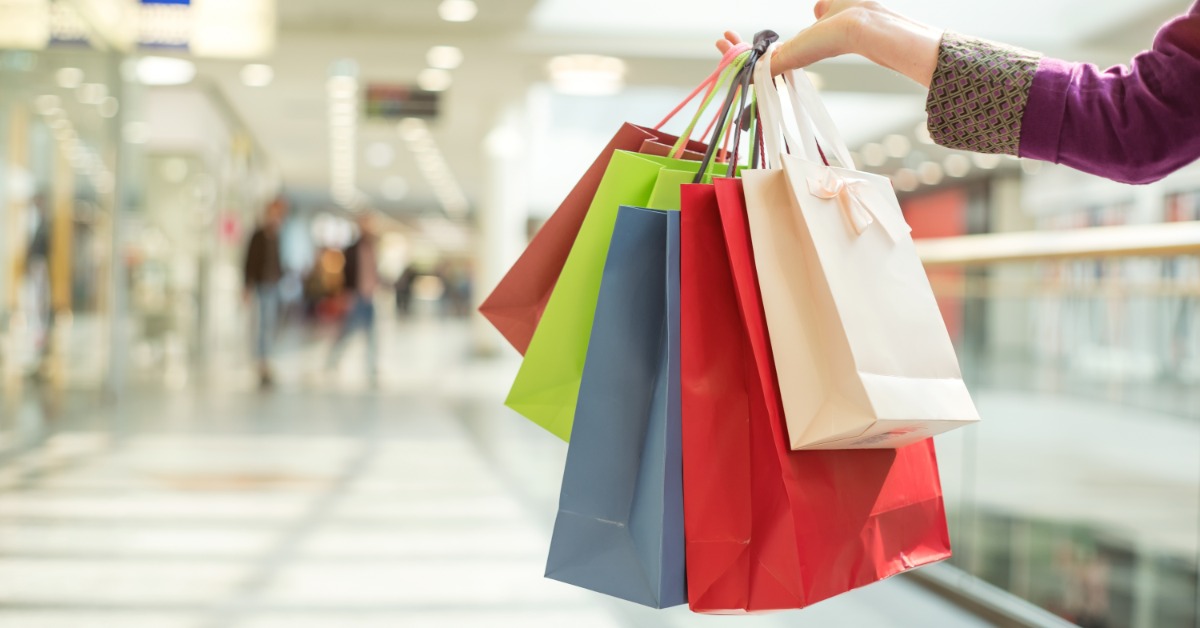
A customer’s relationship with a retailer does not end at the exit. The bag leaves with the purchase and may travel through a mall, along a street, into an office, or back home. During that journey, the package remains connected to the store.
With quality custom shopping bags, a business can create a recognizable brand presence that continues naturally beyond the original retail purchase. The bag becomes part of the customer’s experience without demanding attention. Good design lets the brand remain visible in a subtle and professional way.
Paper Has Become Relevant Across Retail Sectors
The rise of paper bags does not belong to one type of retailer. Small independent shops and larger retail brands have embraced paper as stores reconsider how their packaging fits their merchandise. The material can adapt to very different retail environments without losing its familiar character.
A retailer can also match the package more closely with the products customers purchase. A bag that feels appropriate for the merchandise creates a smoother transition from store display to checkout. That sense of continuity can make the complete transaction feel more considered.
Environmental Expectations Have Influenced the Shift
Public concern about disposable materials has changed how many customers view retail packaging. Plastic use has faced greater attention, and retailers have responded as they reassess the materials they distribute each day. Paper has become part of that wider transition.
The material alone does not make every package environmentally responsible. Retailers still need to consider how much material a bag requires and whether its construction matches its actual purpose. A sensible approach keeps environmental claims realistic and helps stores avoid unnecessary excess.
Bag Construction Deserves Careful Attention
A paper bag must do more than look attractive at the register. Customers expect it to support their purchase until they reach their destination without becoming uncomfortable or unreliable. Before a retailer chooses a paper bag, several physical details deserve close review:
- Paper weight should suit the expected load without adding unnecessary material.
- Handles should feel secure and comfortable during normal customer use.
- Bag dimensions should match common purchases rather than force merchandise into an unsuitable space.
- The base should provide enough support for the products the store sells.
- Print and surface details should remain appropriate for the intended retail environment.
Premium Retail Has Embraced Paper Presentation
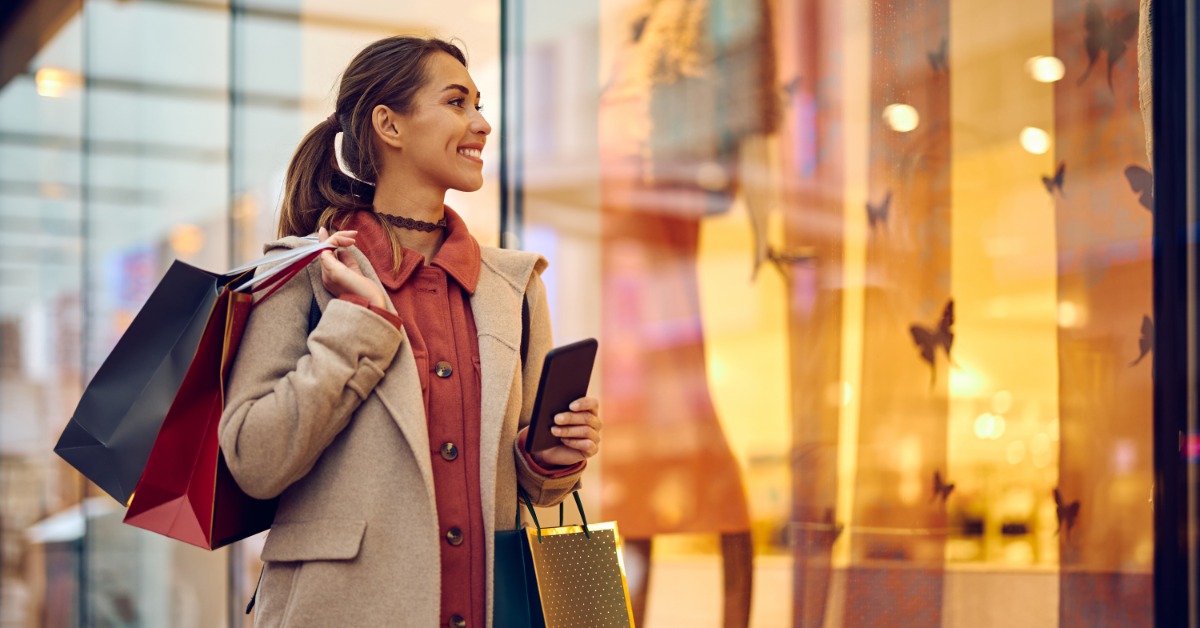
Presentation carries weight when a retailer wants to create a refined customer experience. The package should feel appropriate for the merchandise rather than appear disconnected from its quality or price. Paper bags can support that relationship through thoughtful material choices and controlled design.
Excess does not always create a stronger impression. A simple paper bag with the right proportions can feel more polished than a package filled with unnecessary visual elements. Retailers that understand their identity can allow the material and design to speak with greater confidence.
Practical Use Still Matters Most
A beautiful paper bag loses its value when it cannot handle the purchase inside. Retailers need to think about what customers buy and how far those products may travel after checkout. Real use should shape the package from the start.
That approach keeps appearance connected with purpose. A retailer that understands typical purchases can choose a paper bag that feels comfortable at checkout and remains dependable outside the store. The customer receives a package designed around the actual transaction rather than a generic visual concept.
Paper Bags Reflect a Wider Retail Transformation
Retail continues to change as businesses respond to customer attitudes and new expectations around packaging. Paper bags have become more prominent within that transformation because they can fit naturally into many different store environments. Their growth also shows how much attention retailers now give to details once treated as secondary.
This shift reaches beyond material choice. It reflects a broader desire to create consistency between the store and the final customer interaction. Paper bags have become part of that connection because they remain visible when the retail experience moves beyond the sales floor.
The growth of paper bag usage in the retail industry represents more than a change from one packaging material to another. It shows how retailers have started to view packaging as a meaningful part of the complete purchase experience. Paper has gained a stronger role as businesses reconsider how customers interact with their brands after checkout.
That role will continue to evolve with retail itself. Stores that choose paper with purpose can connect packaging more naturally with merchandise and brand character without making the bag feel excessive. As customer expectations continue to influence retail decisions, paper bags are likely to remain a familiar part of the experience for years ahead.