

Plastic has been one of the most popular materials for product packaging for decades. That role has started to change as brands place more attention on materials, waste, presentation, and the complete customer experience. Molded pulp gives companies a practical paper-based alternative without forcing them to sacrifice the protection that products need inside a carton.
Its appeal goes far beyond the material itself. A molded pulp insert can follow a product’s shape with impressive precision and help maintain a secure position throughout transport. The final package can feel intentional rather than like several unrelated components placed together.
Design possibilities have also advanced far beyond the rough fiber trays many people associate with molded pulp. Modern production methods can create smooth surfaces and refined forms that suit products with much higher presentation standards. Learning why molded pulp packaging is a common alternative to plastic will help transform concepts that once depended heavily on the popular option.
A Different Material Can Change the Entire Package
Molded pulp starts with fiber material formed into a structure created around the needs of a particular product. The result feels very different from a generic plastic insert. Brands gain an interior component that can complement the surrounding paper carton rather than appear disconnected from it.
That relationship matters more than it may seem. When the inner and outer parts share a similar material character, the package can feel more cohesive at first glance. Customers encounter a presentation where every component appears to belong.
Custom Forms Give Products a Secure Place
Products rarely have simple dimensions. Curves, corners, accessories, and delicate areas can make effective package support difficult with a standard insert. Molded pulp provides designers with room to create a form around those exact characteristics.
The product can sit securely inside a defined space rather than shift across an oversized carton. Support exists where the item needs it most. That focused structure can help the package remain compact without leaving large areas that serve little purpose.
Molded Pulp Offers an Alternative to Plastic Inserts
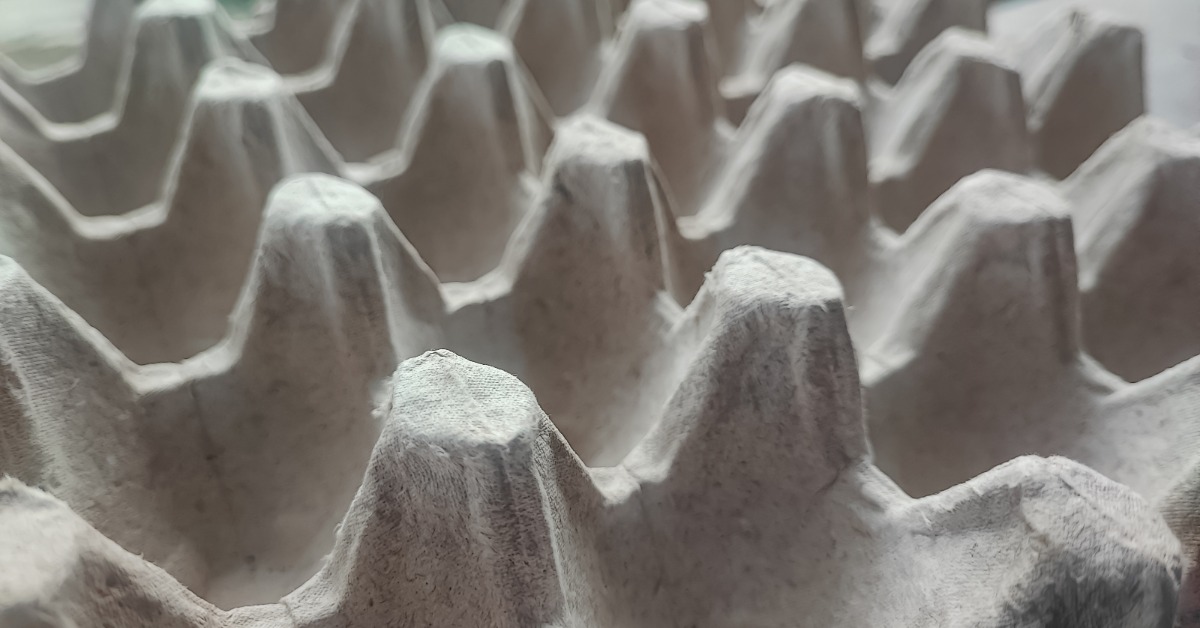
Plastic trays often appear inside cartons because brands need a firm structure that holds products in a reliable position. Molded pulp can serve that same general purpose through fiber material formed for the specific item. This gives package designers another route when they want less dependence on plastic.
High-quality molded paper pulp packaging can provide dependable interior support without making plastic the automatic choice for every product. The material can become part of a thoughtful package concept rather than serve as a simple substitute. Each form can respond to the dimensions and presentation needs of the item inside.
Paper-Based Components Create a More Unified Package
A paper carton with a plastic insert creates an immediate contrast between the materials customers encounter once they open the box. Molded pulp changes that relationship. Its fiber character can feel naturally connected to the paper structure around it.
This consistency also affects what happens once the package has served its purpose. Golden West Packaging Group notes that molded pulp and paper cartons can enter the same recycling stream where appropriate systems accept them. Customers face a more straightforward package rather than several unrelated materials that demand separate attention.
Production Methods Shape the Result
Molded pulp does not have one universal appearance or structure. The production method can influence how the finished component feels and how it performs inside the package. Designers can match that approach with the demands of the product.
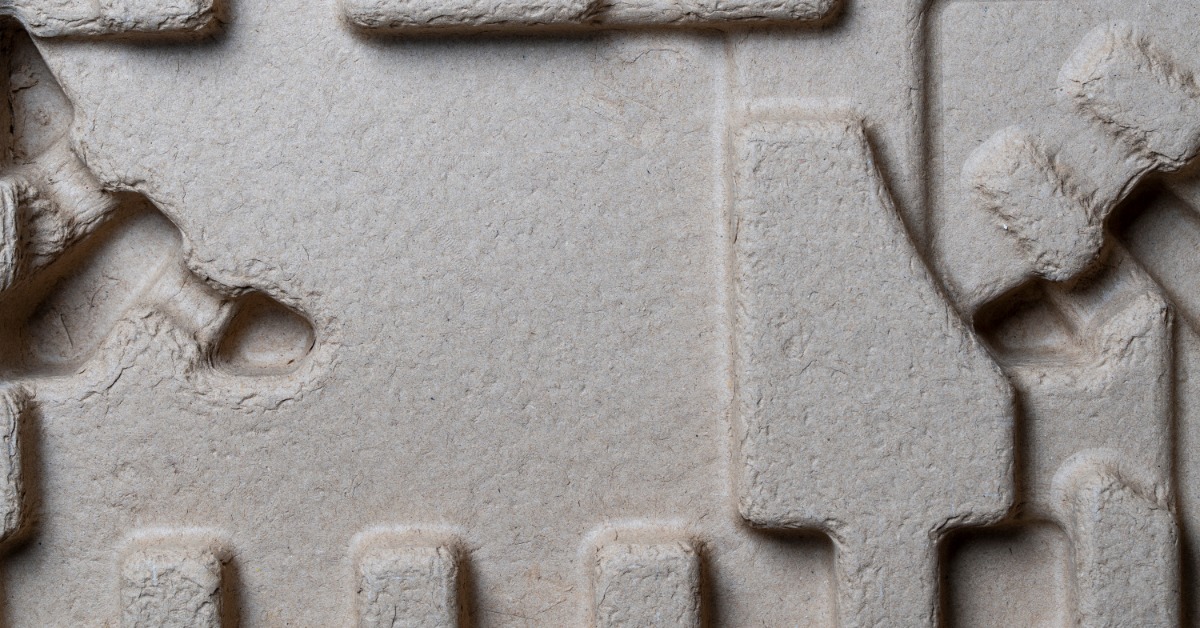
Dry press pulp can support applications where heavier parts and thicker walls make sense. Wet press pulp offers a smoother surface with a more refined appearance. That distinction allows molded pulp to move beyond basic protective uses and enter packages where presentation receives greater attention.
Flexible Forms Open New Design Possibilities
A package should respond to the product instead of forcing the product into an unsuitable standard shape. Molded pulp gives designers considerable freedom in this area. Forms can adapt to different dimensions and structural demands without relying on conventional plastic geometry.
That freedom changes how designers can approach the entire carton. The insert can become part of the structural concept from the start rather than an addition placed inside once everything else has been decided. Product and package can feel more closely connected as a result.
A Refined Surface Can Match the Product
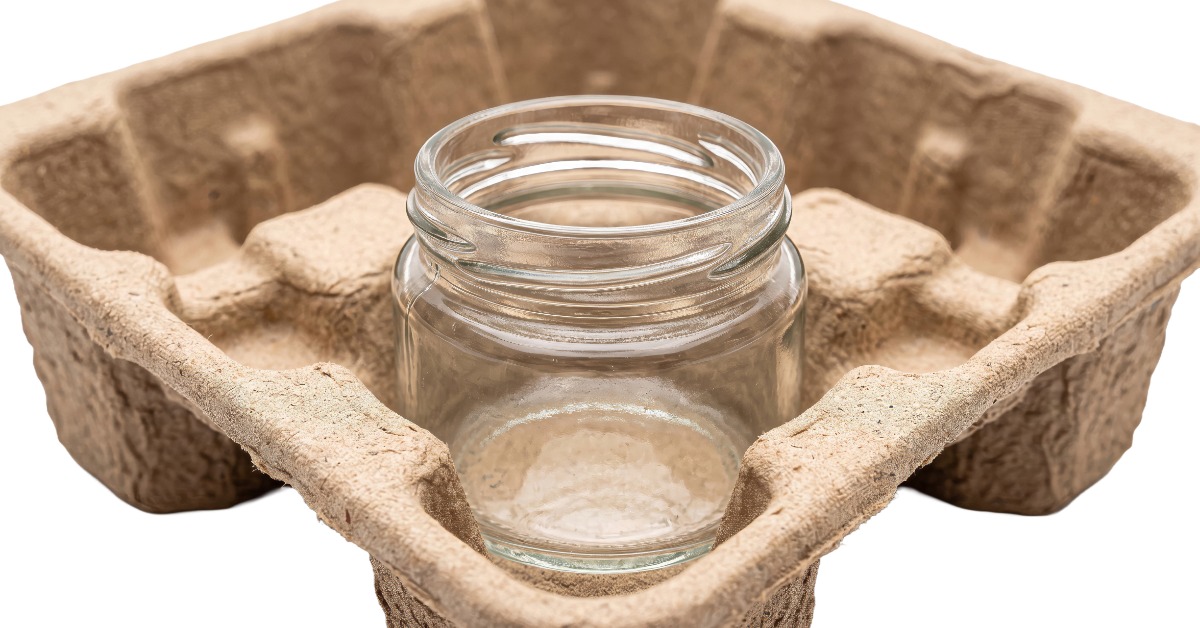
Some brands hesitate to move from plastic because they assume fiber packaging must appear rough or unfinished. Modern molded pulp challenges that assumption. A carefully produced insert can have a clean surface that supports a polished package experience.
Color can push the presentation further. Popular molded pulp options go beyond traditional natural fiber tones, with white and black dyed parts also available. A thoughtfully selected finish can make the insert feel like part of the brand rather than a component hidden beneath the product.
Interior Packaging Can Support Brand Identity
The first view inside a carton can influence how customers perceive the product. A generic insert may protect an item but contribute little to the overall presentation. Molded pulp packaging is a better option than plastic because it provides room for a more deliberate interior experience.
Golden West Packaging Group notes that silk screen methods can add graphic elements directly to molded pulp components. Paper overlays can create another connection between the insert and surrounding carton artwork. These details allow the interior structure to carry more visual purpose without losing its protective role.
Fiber Sources Give Brands Another Path
The material behind molded pulp adds another dimension to its appeal as an alternative to conventional plastic. Recycled paper can become the foundation for useful protective structures instead of remaining outside the package production cycle. Existing fiber receives another practical purpose.
Bagasse offers another fiber source for molded pulp production. This sugar cane material can become part of a functional package structure rather than depending on petroleum-based plastic for the interior form. The result gives brands greater freedom to rethink what belongs inside their cartons.
Smart Design Can Keep the Package Focused
Extra material does not automatically create a better package. Effective design places support where the product requires it and removes unnecessary complexity from the surrounding structure. Molded pulp works particularly well with that focused approach.
A custom form can follow the product closely instead of filling open carton space with oversized components. Designers gain more control over how the product sits inside its package. That precision can create an interior that feels purposeful from the moment customers open the carton.
Molded pulp has moved far beyond its reputation as a basic fiber tray. Modern forms can protect products with precision and create a polished interior that complements the surrounding carton. Brands gain an alternative that feels appropriate for package concepts where plastic no longer fits the desired direction.
The real value comes from how naturally the material can become part of the complete package. Shape and visual presentation can work together rather than compete for attention. For brands ready to reconsider conventional plastic inserts, Golden West Packaging Group can help create molded pulp solutions that place thoughtful design at the center of the package.