


Custom wine packaging reflects brand identity, protects delicate bottles, and communicates value to discerning buyers across competitive markets. Thoughtful design shapes perception before a bottle opens and supports safe transport across varied distribution environments. A well-planned package aligns visual appeal with durability and regulatory needs to deliver a consistent experience across retail shelves.
Strong custom packaging design for wine considers audience expectations and product positioning to create a unified message that resonates with buyers. Each element, from material choice to label placement, must support protection and presentation without unnecessary complexity. Clear priorities help teams balance aesthetics and budget constraints in a cohesive approach that strengthens brand presence.
Visual Identity And Brand Storytelling
Visual elements communicate brand heritage and positioning through imagery that aligns with target audience expectations. Cohesive design creates recognition across product lines and builds trust with repeat buyers who associate packaging with consistent quality. Attention to detail in finishes and layout strengthens perceived value without overwhelming the core message.
Brand storytelling within packaging should highlight craftsmanship and unique attributes that distinguish the wine from competitors in crowded markets. Labels and subtle design cues can evoke tradition or innovation depending on intended positioning. Clear communication supports informed purchase decisions and reinforces emotional connections with the brand.
Regulatory Compliance And Label Accuracy
Packaging must comply with regional regulations that govern labeling requirements and product information accuracy across different markets. Clear labeling ensures legal compliance and prevents costly delays or penalties during distribution. Accurate information supports consumer trust and reduces risk of misunderstanding or misinformation.
Design teams must stay updated on evolving rules that affect packaging formats and disclosures across jurisdictions where products are sold. Coordination with legal and compliance experts ensures all elements meet standards before production and distribution begin. Consistent adherence protects brand reputation and enables smoother expansion into new markets.
Sustainability And Environmental Responsibility
Sustainable packaging reduces environmental impact through responsible material sourcing, efficient production processes, and minimized waste across lifecycle stages. Recyclable or biodegradable components appeal to environmentally conscious consumers who value responsible brand practices. Transparent communication about sustainability efforts builds credibility and supports long-term customer relationships.
Efficient design reduces excess material use without compromising protection, lowering shipping costs and carbon footprint across distribution networks. Lightweight structures can maintain strength through smart engineering and material innovation that supports durability with reduced resource use. Environmental responsibility also aligns with regulatory trends and evolving market expectations across global regions.
Protection During Shipping And Handling
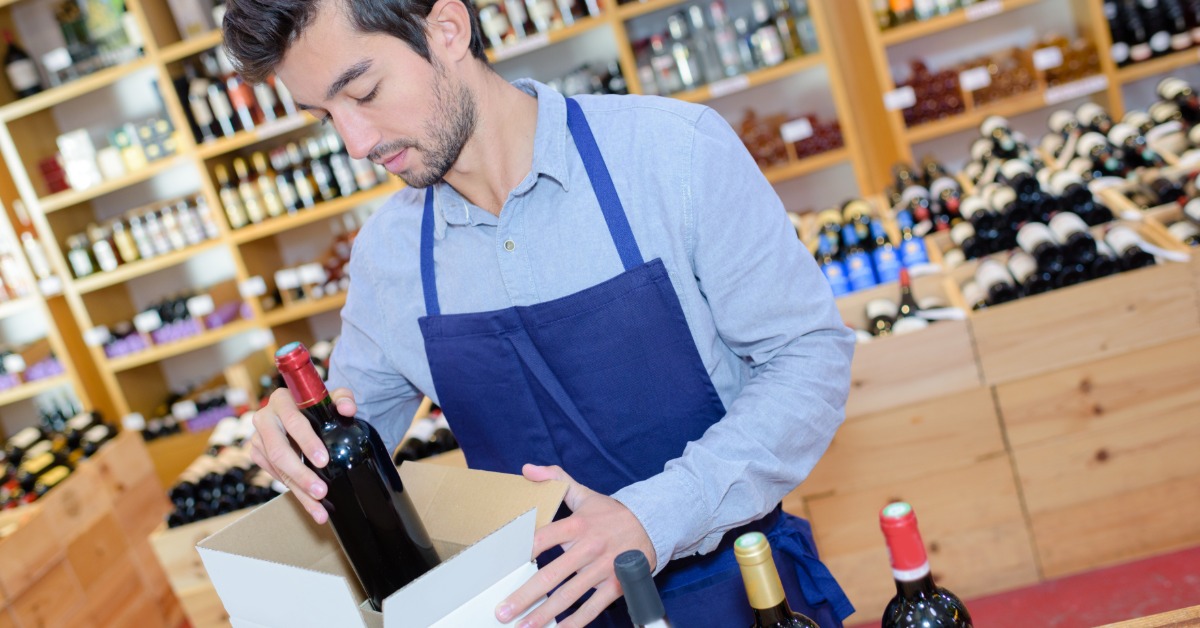
Wine packaging must withstand mechanical stress and impact across transport stages from warehouse to destination. Protective inserts and secure closures reduce bottle movement and minimize risk of damage during transit operations. Reliable custom packaging design for wine ensures the product arrives intact and maintains intended quality for consumers.
Testing under simulated transport conditions helps identify weaknesses and refine structural solutions before large-scale production begins. Drop tests and climate simulations provide data that supports continuous improvement in packaging performance. Strong protection lowers costs and enhances customer satisfaction with each delivery.
Cost Efficiency And Production Scalability
Cost considerations influence material choice and production methods across packaging development and manufacturing processes. Efficient designs balance quality and affordability without compromising essential protective or visual elements that define brand identity. Scalable solutions support growth and maintain consistency across increasing production volumes.
Production efficiency depends on standardized components and streamlined assembly processes that reduce errors. Simplified structures can lower labor costs and improve throughput without sacrificing performance or visual appeal. Strategic planning ensures packaging remains viable across changing market conditions and business expansion efforts.
Consumer Experience And Unboxing Appeal
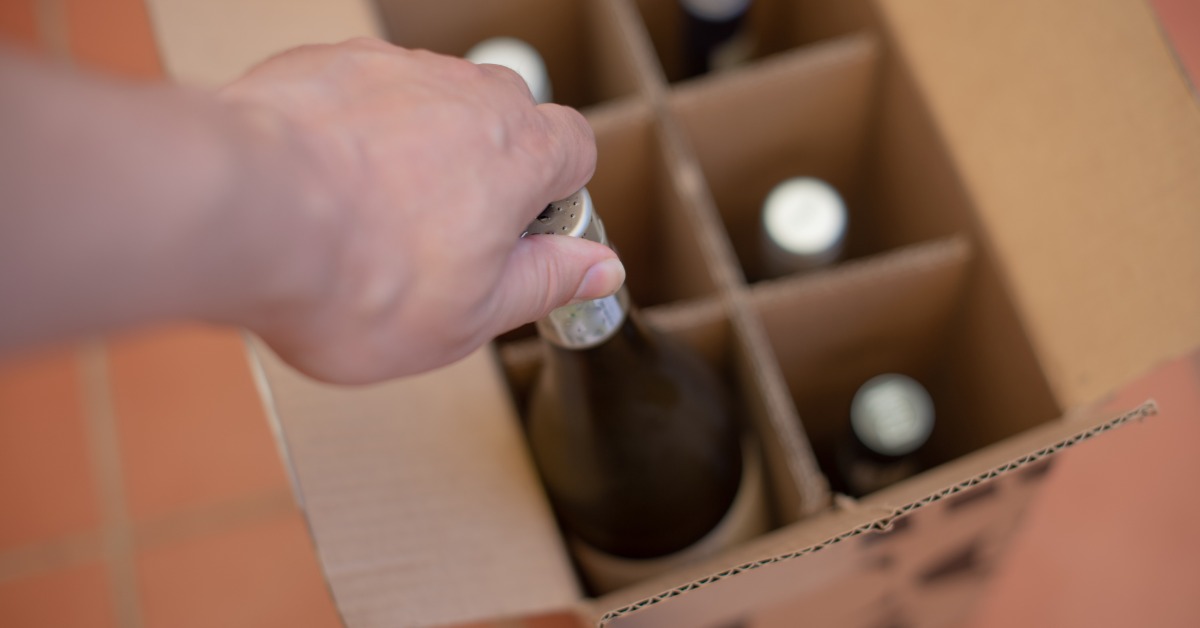
Packaging design shapes the consumer experience from first impression to final interaction, influencing perception of quality and brand value. Thoughtful presentation creates anticipation and enhances satisfaction when customers open and explore the product. A memorable experience can encourage repeat purchases and positive word of mouth across customer networks.
Functional ease also matters, as packaging should allow simple opening and safe handling without frustration. Clear instructions and intuitive design improve usability and reduce risk of damage during opening or storage. Positive interaction reinforces brand trust and supports lasting customer relationships.
Customization And Market Differentiation
Custom packaging allows brands to stand out through unique shapes and design elements that capture attention in competitive retail environments. Distinctive features help products gain visibility and communicate exclusivity or premium positioning to target audiences. Consistent customization across product lines strengthens recognition and brand cohesion.
With premier custom product packaging, you can create a distinctive visual identity that sets your wine apart across crowded shelves and competitive marketplaces. Tailored designs reflect brand values and provide a memorable presentation that resonates with customers. Strategic customization enhances differentiation and builds a stronger market presence over time.
Logistics And Storage Efficiency
Efficient packaging design supports optimized storage and transport across warehouses and distribution centers within supply chains. Compact structures reduce space requirements and improve handling efficiency during inventory management processes. Consistent dimensions allow better palletization and streamline logistics operations across different shipment stages.
Durable materials and stable designs help maintain integrity during extended storage periods under varying environmental conditions and handling scenarios. Proper ventilation and protection reduce the risk of damage from moisture or temperature fluctuations within storage facilities. Efficient logistics contribute to cost savings and reliable product delivery across markets.
Best Packaging Types for Different Wine Needs
Companies can select from several wine and spirits package formats based on product presentation, bottle format, retail use, and distribution needs. These are some of the best options:
- Master Shippers: Provide an outer package format for wine and spirits products that require dependable shipment preparation.
- Wood Crates: Create a distinctive package format suited to wine bottles that call for a more refined presentation.
- Rigid Gift Boxes: Offer a structured format for premium bottles, gift sets, and products with elevated presentation requirements.
- Tasting Room Bags: Give wineries a practical package format for customer purchases made at tasting rooms and similar retail locations.
- Wine Carriers: Provide a convenient format for customers who need to transport one or more wine bottles.
- Wine Shield: Uses GWPG’s patented and customizable e-commerce shipper format for wine products destined for direct shipment.
- Displays: Permanent and temporary display formats present wine products within retail spaces and support specific merchandising requirements.
- Specialty Packaging: Addresses products that require a more distinctive package concept beyond conventional wine and spirits formats.
Effective custom wine packaging requires balance between aesthetics, protection, sustainability, and cost efficiency to deliver consistent value across markets. Each design decision must align with brand identity and logistical realities to ensure success. A thoughtful approach supports product integrity and strengthens brand recognition in competitive environments.
Strategic design choices contribute to operational efficiency and support growth across diverse distribution channels. Strong packaging solutions serve as a foundation for brand success and customer satisfaction in the wine industry.