




A product sometimes loses attention even when it sits only a few feet from the shopper. Crowded shelves, competing packaging, and rushed buying decisions make visibility difficult to earn. Retail displays that increase in-store product visibility give brands a stronger chance to interrupt that routine and guide attention toward a specific product.
Selecting the right display requires understanding how shoppers interact with the retail environment and where a product needs additional support to stand out. Effective display planning begins with that diagnosis, not with choosing the largest structure or the loudest graphics.
Endcap Displays Capture Attention Between Aisles
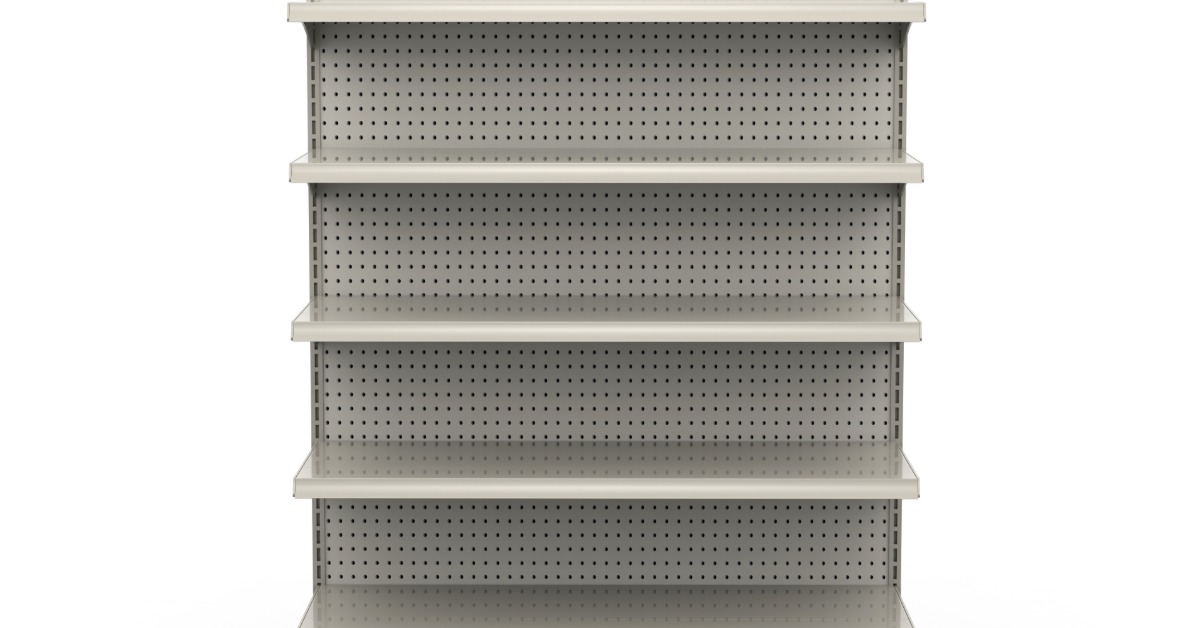
Endcaps sit at a natural transition point where shoppers pause or decide which aisle to enter next. That position gives a product exposure beyond its assigned shelf and places it in front of traffic moving through multiple parts of the store.
The strongest endcaps use a clear visual hierarchy. A shopper should understand the featured product before reading supporting copy or examining individual packages. Large brand elements and a focused message keep the display legible from several feet away.
Endcaps work particularly well for launches, seasonal campaigns, and products tied to a timely need. Retailers use them to introduce an unfamiliar item or reinforce a promotion already supported elsewhere in the store.
The location creates a sense of relevance because the presentation becomes separate from the standard shelf set. For longer campaigns, permanent retail displays provide the durability and structural support required to maintain a polished presence through repeated shopper contact.
Freestanding Floor Displays Create an Off-Shelf Destination
A freestanding floor display gives a product its own retail location. It does not rely on nearby shelving for context, which allows the brand to shape the entire presentation around one campaign or product family.
Placement plays a major role in performance. A display positioned near a related category introduces a useful connection without competing directly for shelf space. A beverage display near prepared foods, for example, supports a purchase occasion that shoppers already understand.
Structural design should encourage approach from the direction of natural foot traffic. Open access and clear product facings make the display easy to shop without forcing customers to circle around it. When the structure supports a smooth interaction, the display functions as a destination, not an obstacle.
Counter Displays Put Small Products Near the Final Purchase
Counter displays serve a different visibility challenge. Small products are easy to overlook on a crowded shelf, yet they stand out when placed within reach at checkout or a service counter.
The limited footprint requires discipline. Branding must stay readable at close range, and the product should remain accessible after several units have been removed. A shallow structure exposes the remaining inventory more effectively than a deep compartment.
Counter displays suit products with a simple value proposition and a low-friction purchase decision. Their proximity to checkout creates a final moment of consideration after the shopper has completed most of the trip. That timing is valuable because the product does not need to compete for attention across an entire aisle.
Sidekick and Power-Wing Displays Use Underused Aisle Space
Sidekick and power-wing displays attach to existing fixtures, usually along an endcap or aisle edge. Their narrow profile turns unused vertical space into a focused product placement without requiring a large floor area.
These formats work best when the product has a logical relationship to the nearby category. A complementary placement gives shoppers a reason to notice the item when it becomes relevant. The connection should be immediate because the shopper usually encounters the display in motion and has little time to interpret it.
Weight distribution needs careful attention during design. The structure must hold the product securely without sagging or interfering with traffic. A well-engineered sidekick keeps the presentation orderly even as inventory declines.
Pallet Displays Give High-Volume Products a Larger Presence
Pallet displays establish scale. They are designed for products sold in larger quantities or promoted through high-volume retail environments where a compact display would disappear in the surrounding space.
Visibility comes from mass and repetition. A broad product facing makes the offer easy to identify from a distance. The full load reinforces a sense of availability. The display still needs a clear focal point so the scale does not turn into visual clutter.
Ease of replenishment is central to the format. The display should retain its shape and message even after the original product pattern changes. A structure that arrives ready for placement reduces store labor and protects the intended arrangement. Strong outer panels keep the branded presentation intact as shoppers remove cases or individual products from the load.
Shelf-Ready Display Trays Strengthen Visibility Within the Aisle
Some products need stronger shelf presence without leaving their primary category. Shelf-ready display trays address that problem by organizing units into a branded block that remains visible as inventory sells down.
The front panel creates a defined edge around the product. That boundary separates the brand from neighboring items and reduces the visual fragmentation that occurs when packages shift across the shelf. A consistent facing makes the product easier to recognize during a quick scan.
Good tray design balances visibility with access. The front should remain low enough for shoppers to see the package and remove it comfortably. At the same time, the tray needs enough structure to keep products upright and prevent the presentation from collapsing after repeated handling.
Match the Display Format to the Visibility Problem

Choosing a display begins with identifying where the product loses attention. A strong format solves a specific retail problem; decoration alone does not.
A product overlooked from the main walkway likely needs an endcap or freestanding display. An item that disappears beside close competitors benefits from a shelf-ready tray. Small add-on purchases belong closer to the counter. High-volume promotions require the visual scale of a pallet display.
Store conditions should shape the final decision. Available space, replenishment routines, campaign length, and retailer requirements influence how the display must perform. Structural testing and production planning then translate the concept into a format that remains stable throughout its use.
Golden West Packaging Group develops custom temporary and permanent display solutions for brands across retail-focused industries. Our structural design and manufacturing capabilities support displays built around merchandising goals and store requirements. Starting with the visibility problem guides brands toward retail displays that increase in-store product visibility without forcing every product into the same format.